
Gut Microbiome Optimization for Weight Loss & Digestive Wellness
Unlock optimal gut health with this essential guide covering energy, immunity, and mental clarity through microbiome optimization.

Introduction: Why the Gut Microbiome is the Missing Link in Weight Loss and Digestive Health
Your gut microbiome is the community of trillions of microorganisms living inside your digestive tract. These bacteria, fungi, and other microbes are not just passive passengers — they actively influence your weight, digestion, immune function, and even mood.
As a registered dietitian specializing in microbiome science, I have seen how understanding and improving your unique gut bacteria profile can transform your ability to lose weight, eliminate bloating, and feel healthier overall.
Unlike generic diet plans, gut microbiome optimization focuses on personalization. The goal is to feed the beneficial bacteria that help regulate your metabolism and digestion, while reducing the strains linked to weight gain, inflammation, and poor gut health.
What is the Gut Microbiome?
Your gut microbiome is made up of more than 100 trillion microorganisms. These microbes influence almost every aspect of health, including:
- Digestive health: Breaking down fiber, producing vitamins, and preventing harmful bacterial overgrowth.
- Metabolism: Affecting how your body stores fat and uses energy.
- Immune system function: Training immune cells to distinguish between friend and foe.
- Mental health: Communicating with the brain through the gut-brain axis.
A healthy microbiome is diverse, meaning it contains many different species of beneficial bacteria. Low diversity is linked to obesity, digestive issues, and chronic disease.
The Gut Microbiome–Weight Connection
Scientific research has identified several ways your gut microbiome affects weight:
- Metabolic Efficiency: Certain gut bacteria produce short-chain fatty acids (SCFAs) like butyrate, acetate, and propionate. These compounds help regulate fat storage, improve insulin sensitivity, and reduce inflammation.
- Appetite Regulation: Your gut microbes influence hormones such as ghrelin and leptin, which control hunger and satiety. A balanced gut can help reduce cravings and prevent overeating.
- Inflammation Control: An imbalanced microbiome can trigger chronic low-grade inflammation, which interferes with metabolism and makes weight loss more difficult.
- Nutrient Extraction: Gut bacteria affect how many calories you absorb from your food. Two people can eat the same meal but absorb different amounts of energy based on their gut microbiota.
- Satiety Signaling: A diverse microbiome can enhance the body’s “I’m full” signals, helping with portion control and reducing snacking.
The Science of Digestive Wellness
Your gut microbiome is also a foundation for strong digestive health. Benefits of a balanced microbiome include:
- Barrier Function: Protecting the intestinal lining from harmful pathogens and toxins.
- Immune Modulation: Reducing the risk of inflammatory digestive issues such as IBS, IBD, and leaky gut.
- Nutrient Synthesis: Producing vitamins like B12 and K2, as well as other beneficial compounds.
- Waste Elimination: Supporting regular bowel movements and reducing constipation, diarrhea, and bloating.
Signs of an Unhealthy Gut Microbiome
You may have an imbalanced microbiome if you experience:
- Persistent bloating or gas
- Constipation or diarrhea
- Unexplained weight gain or difficulty losing weight
- Frequent sugar cravings
- Fatigue or brain fog
- Food intolerances or sensitivities
- Skin problems such as acne or eczema
Evidence-Based Gut Microbiome Strategies
1. Personalized Microbiome Nutrition
Since every person’s gut microbiome is unique, the best results come from customized dietary strategies based on gut microbiome testing. These tests identify which bacterial strains are dominant, which are missing, and how your system responds to different foods.
2. Microbiome-Supporting Nutrition Protocol
- Diverse Fiber Sources
Aim for at least 30 different plant foods each week to feed a wide range of beneficial bacteria. - Fermented Foods
Add probiotic-rich foods like yogurt, kefir, kimchi, sauerkraut, and miso to introduce beneficial microbes. - Polyphenol-Rich Foods
Include blueberries, raspberries, green tea, and dark chocolate to support gut barrier integrity and feed anti-inflammatory bacteria. - Strategic Meal Timing
Follow an eating schedule that aligns with your circadian rhythm to improve digestion and microbial balance. - Targeted Prebiotics
Include specific fibers like inulin, resistant starch, and galacto-oligosaccharides to nourish beneficial gut bacteria.
The Gut-Brain Connection and Appetite Control
Your gut and brain communicate through the gut-brain axis, a network involving nerves, hormones, and microbial metabolites. When the microbiome is balanced, it supports better mood regulation, reduces stress-related eating, and improves appetite control.
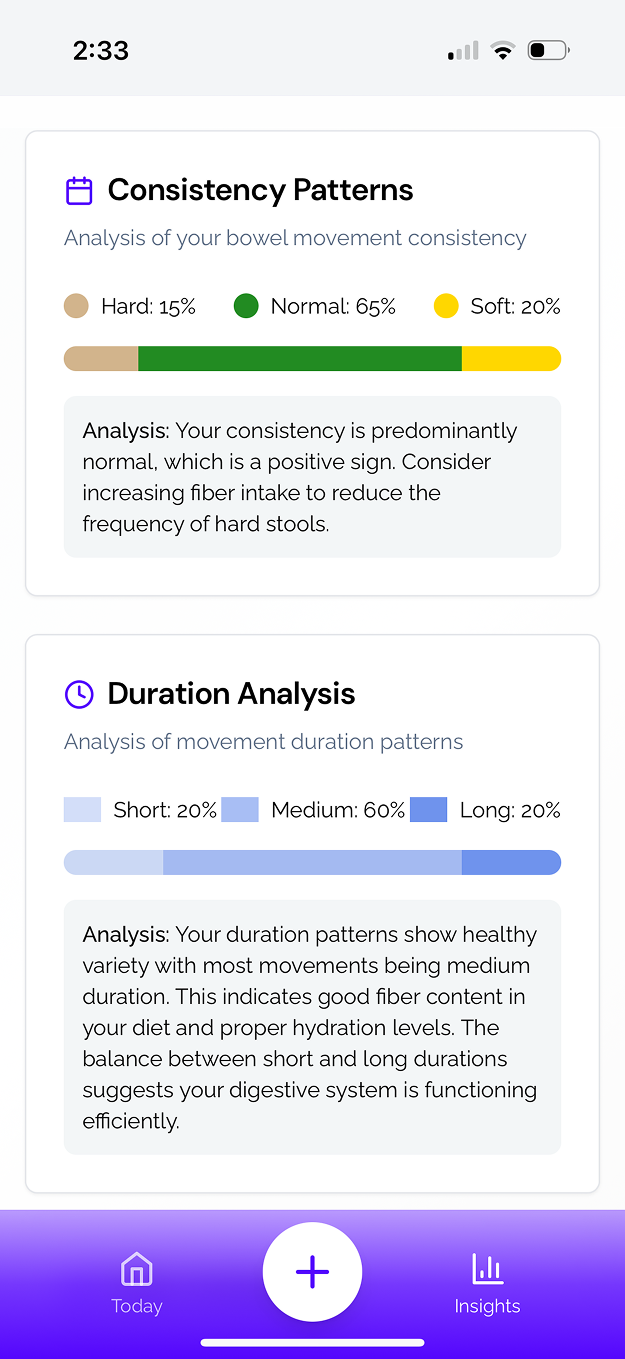
How Advanced Biome Tracking Improves Weight Loss
Most weight loss programs fail because they do not address gut health. By tracking your microbiome over time, you can see:
- Which foods promote fat-burning bacteria growth
- How your microbiome responds to dietary changes
- Whether inflammation is blocking your weight loss
- Why certain diets work for others but not for you
Real-time gut health monitoring takes the guesswork out of dieting and replaces it with actionable data.
Best Foods for a Healthy Gut
Probiotic Foods:
- Yogurt with live cultures
- Kefir
- Sauerkraut
- Kimchi
- Tempeh
- Miso
Prebiotic Foods:
- Garlic
- Onions
- Leeks
- Asparagus
- Bananas
- Oats
Polyphenol-Rich Foods:
- Blueberries
- Green tea
- Cocoa powder
- Olive oil
Step-by-Step Plan for Gut Microbiome Optimization
- Get a baseline microbiome test.
- Identify imbalances and deficiencies.
- Adjust your diet to feed beneficial bacteria.
- Incorporate probiotics and prebiotics daily.
- Monitor your progress through follow-up testing.
- Maintain gut diversity with variety and seasonal eating.
Frequently Asked Questions
How long does it take to improve the gut microbiome?
Most people notice digestive improvements within 2–4 weeks of dietary changes, but microbiome diversity can take several months to fully improve.
Can probiotics help with weight loss?
Yes, but only certain strains. For example, Lactobacillus gasseri has been linked to reductions in belly fat.
Do antibiotics damage the gut microbiome?
Yes, antibiotics can significantly reduce microbial diversity. Recovery strategies include eating probiotic foods and increasing fiber intake.
Related Articles and Resources
- [Gut Microbiome Testing vs. Generic Diet Plans: Why Personalization Wins]
- [The Hidden Gut Microbiome Factors Sabotaging Your Weight Loss]
- [Digestive Wellness Signals That Predict Sustainable Weight Management]
- [How Healthy Gut Bacteria Control Appetite and Cravings]
- [The Gut Microbiome–Metabolism Connection: Beyond Calories In, Calories Out]
Key Takeaways
- A healthy gut microbiome is essential for weight loss and digestive wellness.
- Personalized nutrition is more effective than generic diet plans.
- Supporting beneficial bacteria through diet and lifestyle changes can improve metabolism, reduce cravings, and enhance overall health.
Other Posts



Be first to try SNIFR. Beta coming soon.
Join our waitlist to get notified when the app launches. Start understanding your gut health sooner.