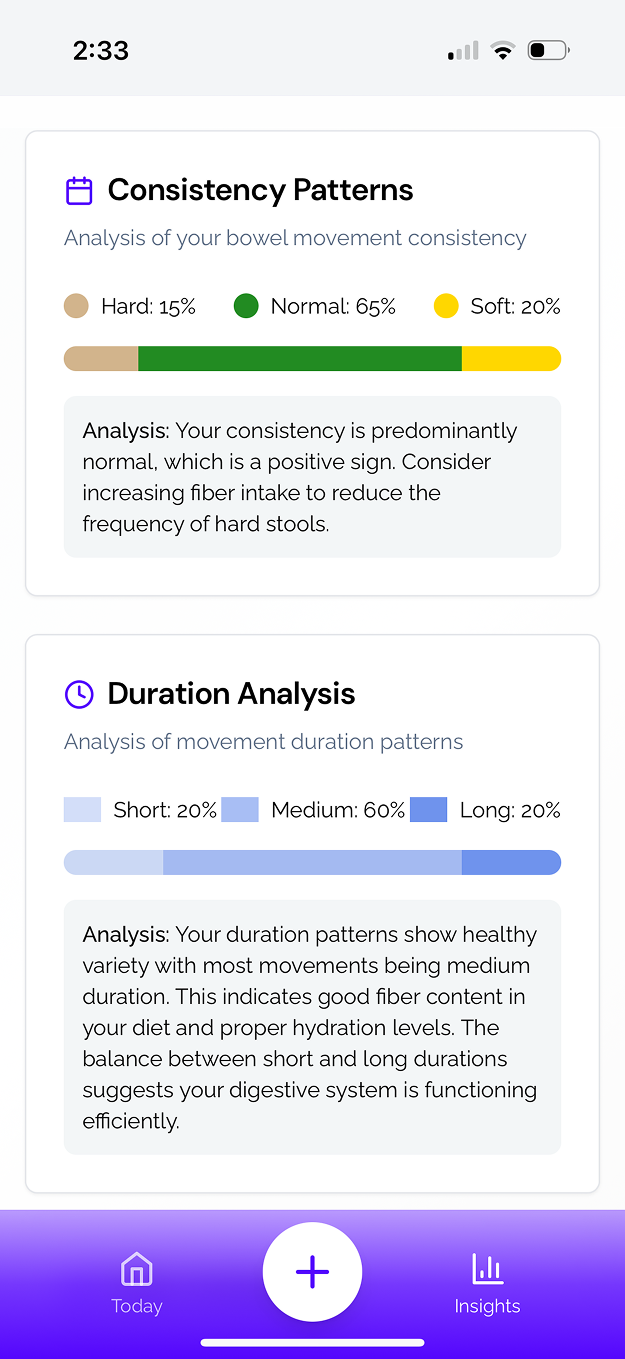

Advanced Gut Health Optimization for Biohackers
The ultimate biohacker's guide to tracking and optimizing your gut microbiome for peak performance and precision wellness.

Introduction: The Overlooked Data Point That Changes Everything
After years of tracking every possible metric — from heart rate variability to continuous glucose monitoring to deep sleep architecture — I can say without hesitation that gut microbiome data is the most transformative performance marker most biohackers are not using.
Your gut microbiome directly influences cognitive performance, recovery rates, metabolic flexibility, stress resilience, and energy optimization. By adding real-time microbiome tracking to your biohacking protocol, you can amplify every other metric you are already measuring.
Why Gut Microbiome Optimization Amplifies All Performance Metrics
Your gut is not just for digestion — it is a central command center for performance optimization:
- Cognitive Function
Roughly 90% of serotonin is produced in the gut. A balanced microbiome supports neurotransmitter production, mental clarity, and focus. - Recovery Enhancement
Beneficial gut bacteria produce anti-inflammatory metabolites that speed tissue repair and reduce post-training soreness. - Energy Optimization
Efficient nutrient extraction and metabolic regulation from a healthy gut improve steady-state energy throughout the day. - Stress Resilience
The gut-brain axis directly influences your stress response via the vagus nerve and hormone signaling. - Sleep Quality
Microbial cycles are tied to circadian rhythms, impacting melatonin regulation and restorative sleep phases.
Measurable Gut Microbiome Biomarkers for Biohackers
Most gut health advice relies on subjective symptoms like bloating or fatigue. That is not enough for a biohacker’s precision approach. Real optimization requires objective, trackable biomarkers, such as:
- Bacterial Diversity Index: A higher score reflects a more resilient microbiome.
- Metabolite Production Patterns: Identify SCFA output, neurotransmitter precursors, and anti-inflammatory compounds.
- Intervention Response Time: How quickly bacterial composition shifts after diet or supplement changes.
- Correlation with Other Biomarkers: How microbiome changes affect HRV, glucose variability, and recovery metrics.
- Trend Analysis: Long-term microbiome data revealing patterns and optimization windows.
Integrating Advanced Microbiome Tracking Into Your Performance Stack
Morning Routine Optimization
Analyze overnight microbiome activity to guide your first meal, supplement choice, and hydration protocol.
Pre-Workout Nutrition
Time carbohydrate or fat intake based on bacterial metabolic peaks for optimal fuel utilization.
Post-Training Recovery
Use microbiome-informed recovery meals to reduce inflammation and speed adaptation.
Sleep Protocol Refinement
Match pre-sleep nutrition and supplement timing to microbiome circadian cycles for deeper rest.
Cognitive Enhancement
Select foods and supplements that boost microbiome-supported neurotransmitter production for sharper mental performance.
Cross-Biomarker Correlation Analysis
Advanced biohackers can now correlate microbiome shifts with:
- Heart Rate Variability (HRV): Linking gut diversity to stress resilience.
- Continuous Glucose Monitoring (CGM): Connecting microbiome composition to glycemic stability.
- Sleep Tracking Data: Understanding how gut cycles influence sleep stages.
- Training Performance Metrics: Tracking adaptation speed and recovery windows.
- Cognitive Assessment Scores: Measuring mental clarity improvements from gut interventions.
Precision Gut Microbiome Interventions
Targeted Probiotics
Choose strain-specific probiotics based on identified bacterial deficiencies rather than generic blends.
Custom Prebiotic Protocols
Feed only the beneficial species you want to promote with specific prebiotic fibers.
Fasting Window Optimization
Align fasting periods with microbiome circadian rhythms to enhance bacterial balance.
Exercise Timing
Schedule workouts to maximize the growth of beneficial strains tied to recovery and inflammation control.
Stress Management for the Vagus Nerve
Incorporate breathing techniques, meditation, or cold exposure to strengthen gut-brain signaling.
Real-Time Feedback Loops: The Biohacker’s Advantage
What sets microbiome optimization apart for biohackers is immediate, trackable feedback:
- See bacterial composition changes within hours of an intervention.
- Measure supplement effectiveness with microbiome shift data.
- Optimize meal timing based on your unique gut cycles.
- Quantify stress impacts on gut balance in real-time.
Best Tools for Microbiome Tracking
- Continuous Microbiome Monitors (emerging technology)
- DNA-based Stool Analysis Kits
- Metabolite Detection Platforms
- Wearables Integrated with Gut Data APIs
Frequently Asked Questions for Biohackers
Can gut microbiome tracking really improve cognitive performance?
Yes. By identifying bacteria linked to neurotransmitter production, you can target diet and supplements to boost focus, memory, and mood.
How often should I test my microbiome?
Monthly or quarterly testing allows you to track trends and correlate with other biomarkers.
Do probiotics work for everyone?
No. Effectiveness depends on your baseline microbiome composition, which is why testing is key.
Related Articles and Resources
- [Advanced Gut Microbiome Tracking: The Ultimate Biohacker Protocol]
- [How Real-Time Microbiome Data Revolutionized My Performance Stack]
- [Gut Microbiome Optimization for Cognitive Enhancement and Mental Clarity]
- [Microbiome Tracking vs. Traditional Biomarkers: Which Data Matters Most?]
- [Building the Perfect Gut Health Tech Stack for Performance Optimization]
Key Takeaways
- The gut microbiome is a central performance lever for biohackers.
- Real-time microbiome tracking can amplify the impact of your existing biomarker data.
- Targeted, data-driven gut interventions improve digestive health, mental clarity, recovery, and resilience.
Other Posts
Be first to try SNIFR. Beta coming soon.
Join our waitlist to get notified when the app launches. Start understanding your gut health sooner.