
Intermittent Fasting and Your Gut Microbiome: A Timing Guide
How intermittent fasting reshapes your gut microbiome, who should not fast, and why eating window timing matters more than window length.

"Should I try intermittent fasting?"
I hear this question at least three times a week. Sometimes from clients who have tried every approach available. Sometimes from people who just read an article claiming fasting is either a miracle or a menace.
Here is what I tell them. Intermittent fasting is not primarily a weight loss tool. It is a question of when you eat, not just what, and that timing affects your gut microbiome in ways that ripple through your metabolic health.
One client came in frustrated after six weeks of 16:8 fasting. She was eating from noon to 8 PM, choosing good food, drinking plenty of water. She also felt exhausted, her digestion had worsened, and nothing had changed on the scale.
The problem was that she worked night shifts. Her eating window matched standard fasting advice and completely contradicted her actual circadian rhythm. Her gut bacteria were living in permanent jet lag. After we shifted her window to match her work and sleep cycle, her energy came back and her digestion settled. Same protocol. Different timing. Different outcome.
That is why understanding the mechanism matters more than following a trendy schedule. Your bacteria do not care what the internet recommends. They care about alignment.
Before You Start: Who Should Not Fast
This section belongs at the top rather than buried at the bottom, because for some people the correct answer to "should I try intermittent fasting" is no, and the reason is medical rather than motivational.
Do not begin a fasting protocol without clinical supervision if any of the following apply to you.
- You are pregnant or breastfeeding. Both states carry elevated and continuous energy and micronutrient demands. Deliberately compressing intake windows is not appropriate here, and this is not a case where a shorter window is a safe compromise.
- You have a history of disordered eating. Anorexia, bulimia, binge eating disorder, or a pattern of restriction and rebound. Time restricted eating formalizes restriction, and for someone with that history it can reactivate the behaviour it resembles. This is the contraindication clinicians most often see ignored.
- You take medication for diabetes. Insulin and insulin secretagogues such as sulfonylureas carry a real hypoglycaemia risk when meals are delayed or skipped. Doses frequently need adjusting before an eating window changes, not after a hypoglycaemic episode. Metformin alone carries less risk but still warrants a conversation.
- You are underweight or have unintentionally lost weight recently. A BMI under 18.5, or any unexplained recent loss, means the priority is investigation and adequate intake, not a narrower window.
- You are a child or adolescent. Growth and development require consistent fuelling.
- You take medications that must be taken with food, or that affect blood pressure, electrolytes or hydration status.
Beyond those, a few situations call for caution rather than avoidance: active chronic illness, a history of gallstones, high training volume alongside high life stress, and any current eating pattern where you are already undereating. In all of these, the conversation to have is with your own clinician, before you change anything.
What Intermittent Fasting Actually Means
Intermittent fasting is not a diet specifying what to eat. It is an eating pattern that cycles between fed and fasted periods.
- Time restricted eating. All food and calorie containing drinks within a set daily window. The 16:8 protocol is the best known, but variations run from 12:12 to 20:4. Consistency matters more than extremity.
- Alternate day fasting. Alternating regular eating days with minimal calorie days, typically around 500 to 600 calories.
- The 5:2 pattern. Normal eating five days weekly, restricted intake on two non consecutive days.
- Extended fasting. Periods of 24 hours or longer. Less common for routine practice and best done with medical oversight.
What these share is the creation of distinct fed and fasted states. Your body responds differently to each, hormonally, metabolically, and microbiologically.
Your Gut Bacteria Follow a Daily Rhythm
The Bacterial Daily Cycle
Your gut microbiome does not stay constant across the day. Roughly 20 percent of commensal bacterial taxa show diurnal oscillations in abundance and activity, and disrupting those oscillations through jet lag or clock gene disruption impaired host metabolic homeostasis in mice and produced glucose intolerance when the disrupted microbiota was transferred to germ free recipients (Thaiss et al., Cell, 2014).
During rest periods when animals were not eating, Bacteroidetes and Verrucomicrobia populations peaked. As feeding time approached, those declined while Firmicutes surged. Feeding pattern, not diet composition alone, drove these dynamics: a high fat diet flattened the oscillations, and time restricted feeding partially restored them (Zarrinpar et al., Cell Metabolism, 2014).
The Feed and Fast Oscillation
Think of your gut microbiome as a facility running two shifts. The fed state shift specializes in breaking down incoming nutrients, producing short chain fatty acids, and signaling satiety. The fasted state shift focuses on mucin metabolism and gut barrier maintenance.
When you eat determines which shift dominates. Time restricted eating does not just reduce total intake. It sharpens the distinction between the two states, letting each population complete its work without constant interruption.
Bacteria Talk Back to Your Body Clock
Your gut bacteria do not simply respond to when you eat. They actively communicate with your circadian system through metabolites like butyrate. The gut lining encounters different bacterial species and metabolites depending on time of day and expresses receptors that sense those metabolites rhythmically, which helps set liver and intestinal peripheral clocks (Thaiss et al., 2014).
Disrupting that communication through erratic eating or shift work creates metabolic confusion. Your bacteria send signals your body expects at midnight while your internal clock insists it is noon.
What the Research Shows About Fasting and Gut Bacteria
Increased Microbial Diversity
A 2024 Nature Communications trial compared protein pacing with intermittent fasting against heart healthy continuous calorie restriction over eight weeks in adults with overweight or obesity. The intermittent fasting arm showed greater increases in microbial diversity, enrichment of Christensenellaceae and other beneficial taxa, and a favourable shift in the plasma and faecal metabolome, alongside greater reductions in body weight and fat mass (Mohr et al., Nature Communications, 2024).
Higher diversity is generally associated with better metabolic health. Think of it as biodiversity in any ecosystem: more species means more resilience.
Enrichment of Beneficial Species
Intermittent fasting has been associated with increases in several bacterial groups tied to metabolic health.
- Akkermansia muciniphila. This mucin degrading bacterium adheres to the gut mucus layer and appears resilient to reduced food intake, since mucin remains available as a substrate when dietary carbohydrate is not. Enrichment has been observed after Ramadan associated fasting and time restricted eating (Su et al., American Journal of Clinical Nutrition, 2021).
- Lachnospiraceae family. Many members can ferment mucins, which gives them an advantage during extended fasting. They are significant butyrate producers.
- Faecalibacterium prausnitzii. Increased across multiple fasting studies, this species produces butyrate and has anti inflammatory properties.
- Bacteroides thetaiotaomicron and Parabacteroides distasonis. A shotgun metagenomic study of 72 volunteers undergoing three weeks of intermittent fasting found significant enrichment of both species, with their relative abundances inversely correlated with obesity and atherosclerotic cardiovascular disease parameters. Mean weight loss across the cohort was 3.67 kg (Hu et al., npj Biofilms and Microbiomes, 2023).
Enhanced Short Chain Fatty Acid Production
Short chain fatty acids are the metabolic currency linking your bacteria to your wider health. In the 72 volunteer metagenomic study, genomes enriched after the intervention carried a high richness and diversity of carbohydrate active enzymes and showed increased relative abundance of genes related to succinate production and glutamate fermentation (Hu et al., 2023).
Beyond energy, short chain fatty acids regulate inflammation, support gut barrier integrity, and communicate with distant organs through the bloodstream. Delivering 10 g per day of propionate directly to the colon raised postprandial PYY and GLP-1 and reduced energy intake in a separate controlled trial (Chambers et al., Gut, 2015), which is the clearest demonstration that this output changes appetite.
Restored Circadian Bacterial Rhythms
Studies of time restricted feeding demonstrate that meal timing directly influences bacterial oscillations. When mice on high fat diets were switched to time restricted feeding, cyclical fluctuations in the microbiome were partially restored relative to ad libitum feeding on the same diet (Zarrinpar et al., Cell Metabolism, 2014).
One finding worth noting: when fasting windows fall during what should be your rest phase, as in nocturnal eating patterns, the circadian rhythm of major bacterial groups can invert. That is not necessarily harmful short term, but it illustrates how strongly timing shapes the system.
The Changes Appear Reversible
Here is something often overlooked. Many microbiome changes from intermittent fasting appear to reverse when you stop.
In the Ramadan fasting study, gut microbial communities in the middle aged cohort showed a significant trend back toward baseline over a 30 day follow up after fasting stopped (Su et al., American Journal of Clinical Nutrition, 2021).
This cuts both ways. You are not permanently altering your microbiome by trying fasting and stopping. But you do need to maintain some form of time restricted eating to preserve the benefits. It is a pattern, not a procedure.
Deciding Whether Fasting Fits You
Assuming none of the contraindications above apply, I assess four things before recommending a protocol.
Your Circadian Situation
- What time do you naturally wake without an alarm, and when do you feel most alert? This reveals your chronotype, which should guide your window.
- Day shift, night shift, or rotating? Each requires different adaptation.
- When do you exercise? Training fasted affects people very differently depending on training status.
- How many hours currently pass between your first and last bite? Many people already practice informal time restriction.
- When do you eat with other people? Schedules that create social isolation rarely last.
Your Metabolic Flexibility
Metabolic flexibility, your ability to switch efficiently between burning carbohydrate and fat, largely determines how well you will tolerate fasting.
Signs it is working in your favor: comfortable going four to five hours between meals, stable energy through the day, able to skip a meal without becoming shaky or irritable, exercise performance holding up in a fasted state, fasting blood glucose in the 70 to 99 mg/dL range.
Signs it is not, yet: needing to eat every two to three hours to function, intense hunger or mood changes when meals are delayed, predictable mid morning or mid afternoon crashes regardless of sleep.
Flexibility can be developed, but not by jumping straight into a long fasting window. Start at 12:12 and extend gradually.
Your Digestive Baseline
Fasting affects digestive symptoms differently depending on where you are starting. Before adding it, consider your bloating patterns, bowel regularity and consistency (Bristol Type 3 to 4 is the target range), any diagnosed digestive conditions such as IBS, IBD, reflux or gastroparesis, recent antibiotic use or acid reducing medication, and your current fiber and fermented food intake.
Someone with significant digestive dysfunction may need to address gut health first rather than adding another variable. Conversely, people with mild bloating often improve noticeably with time restricted eating.
Your Overall Stress Load
Fasting is a hormetic stressor. In the right dose for the right person, it strengthens metabolic health. Added to an already heavy load, it can backfire.
I look at chronic stress levels, sleep quality and quantity (under seven hours is a red flag), whether someone is already undereating, training volume, and any other active dietary restrictions.
Protocols That Work for Gut Health
Here are the three protocols I use most, followed by the same information in table form.
The 16:8 Time Restricted Eating Protocol
The most studied and, for many people, the most sustainable approach. Fast for 16 hours including sleep, eat within an 8 hour window.
For gut health, this establishes a clear fed and fasted distinction, provides an extended period for mucin fermentation and barrier maintenance, and strengthens circadian bacterial rhythms. It also tends to improve dietary quality simply by making endless grazing impractical.
How to build up to it:
- Weeks 1 to 2. Start with a 12 hour fasting window. Track energy, hunger, sleep, bowel patterns, and exercise performance to establish your baseline response.
- Weeks 3 to 4. Extend the fasting window by 30 to 60 minutes weekly until you reach 16 hours.
- Weeks 5 to 8. Fine tune the window timing around your schedule and hunger patterns. Some people thrive on 8 AM to 4 PM, others on noon to 8 PM.
- Week 9 onward. Maintain what works, allow flexibility for social occasions, and stop treating deviations as failures.
The 14:10 Moderate Protocol
Fast for 14 hours, eat within a 10 hour window. This still creates meaningful circadian alignment while being considerably easier to sustain.
It suits beginners, people with demanding physical jobs or high training volume, those managing chronic conditions that require consistent fueling, and anyone in a higher stress life phase. It is also the better option if you genuinely enjoy breakfast, which is not a character defect.
The 5:2 Protocol for Variable Schedules
Eat mindfully five days weekly. On two non consecutive days, reduce intake to roughly 500 to 600 calories.
This creates weekly periods of caloric stress that shift bacterial metabolism, and it offers flexibility for people whose schedules vary. Choose your lower intake days strategically, and start at 800 to 1,000 calories before reducing further if it is well tolerated.
| Protocol | Fasting window | Eating window | Gut evidence base | Best fit | Ramp |
|---|---|---|---|---|---|
| 12:12 | 12 hours | 12 hours | Entry level; establishes a fed/fasted distinction | Anyone starting from constant grazing | Start here for 2 weeks |
| 14:10 | 14 hours | 10 hours | Meaningful circadian alignment, easier adherence | Beginners, high training volume, high stress phases | 30 to 60 min weekly from 12:12 |
| 16:8 | 16 hours | 8 hours | Most studied; strongest circadian bacterial effects | Stable schedules, good metabolic flexibility | 4 to 6 weeks from 12:12 |
| 5:2 | 2 non-consecutive low days weekly | Normal on 5 days | Weekly metabolic shift; more flexible than daily restriction | Variable schedules, shift work, frequent travel | Start at 800-1,000 kcal on low days |
| Alternate day | Every other day at ~500-600 kcal | Alternating | Shifts bacterial metabolism; harder adherence | Not a first protocol | Only after 5:2 is comfortable |
Getting More From Your Fasting Window
Front Load Fiber
Since fasting limits when you can eat fiber, be deliberate about it during your window. Start with fiber rich foods to feed beneficial bacteria across the whole eating period. Include vegetables at every meal. End your window with resistant starch sources such as cooked and cooled potatoes or rice, which continue feeding bacteria into the fasting period.
Target at least 30 grams of fiber daily from 20 or more different plant sources weekly, increasing in roughly 5 g weekly increments. That diversity compensates for the narrower window.
Match Your Window to Your Chronotype
Generic advice says noon to 8 PM. Your optimal window depends on your own rhythm.
- Early risers often do best with earlier windows, roughly 8 AM to 4 PM.
- Later chronotypes may prefer 1 PM to 9 PM.
- Most people fall in between and do well somewhere between 10 AM and 8 PM.
Aligning your window with your natural rhythm consistently outperforms fighting it, which is the entire lesson of the night shift example above.
Use Fermented Foods Strategically
Consuming fermented foods early in your eating window introduces beneficial bacteria when your digestive system is most receptive after fasting. In a 17 week randomized trial, 36 adults on a high fermented food diet showed increasing microbiota diversity and decreases in 19 inflammatory proteins (Wastyk et al., Cell, 2021). Choose unpasteurized options with live cultures.
Break Your Fast Thoughtfully
What you eat first influences how your bacteria respond to the transition. Avoid high sugar foods that spike blood glucose, ultra processed items low in fiber, and alcohol on an empty stomach. Choose moderate protein with vegetables, whole grains or legumes, and healthy fats paired with plants.
Track the Right Things
Watch bowel frequency and consistency, bloating and gas patterns, morning energy, sustained energy through the fasting window, exercise performance and recovery, satiety duration, craving intensity, and waist circumference rather than scale weight alone.
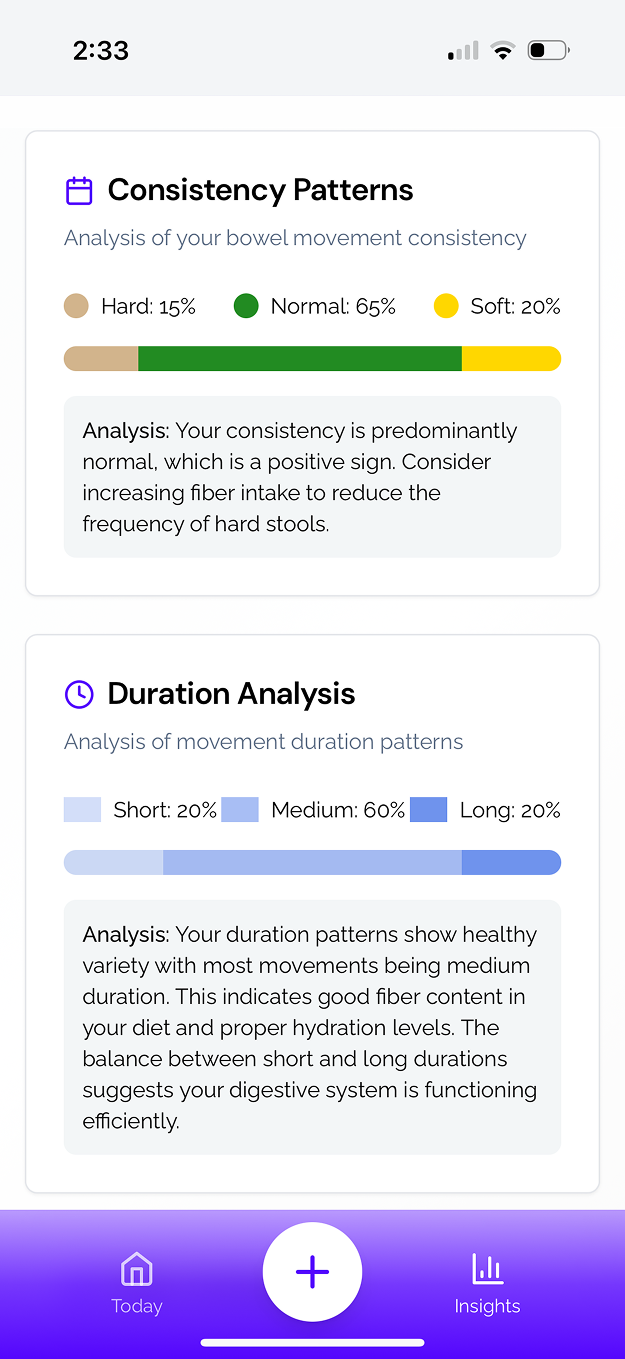
If digestive symptoms worsen, energy drops, or performance suffers beyond a two week adaptation period, the protocol needs adjustment. Fasting should support digestive wellness, not create new problems. This kind of ongoing observation is exactly where at-home biome tracking can offer personalized insights instead of guesswork, and it fits within the broader approach I describe in my guide to gut microbiome optimization for weight loss and digestive wellness.
Troubleshooting Common Problems
I am constantly hungry during my fasting window
Persistent hunger usually signals inadequate nutrition during eating windows or incomplete adaptation. Increase protein toward 25 to 30 percent of total calories, ensure adequate healthy fats, add fibrous vegetables for volume, and check whether you are simply undereating overall. Consider stepping back to 14:10 during adaptation, stay hydrated, and give it three to four weeks before concluding it does not work.
My digestion got worse after starting
Reduce fiber temporarily if you increased it dramatically at the same time you started fasting, and spread fiber across the window rather than loading one meal. Ensure adequate hydration, start with a gentler window, slow your eating pace, and address any underlying gut issues before adding fasting on top.
I lost energy and my workouts suffered
Performance often dips initially and improves after several weeks. Time your window so you eat before and after training, reduce intensity by 10 to 20 percent during the two to three week adaptation, ensure adequate carbohydrate in your window, and check that you are not stacking too many stressors at once.
I am not losing weight despite perfect adherence
Weight loss is one possible benefit of fasting, not a guaranteed one. In the 72 volunteer three week study, mean loss was 3.67 kg, which is real but modest and came with wide individual variation. Assess total intake during your window, since compensation is common. Look at food quality, sleep, and stress. Consider non scale improvements in energy, digestion, and inflammation, which often arrive first.
The schedule is too rigid for my life
Sustainability beats precision. Keep the general principle while adjusting the timing, aim for consistency five to six days weekly rather than perfect adherence, and remember that occasional deviations do not undo the pattern.
Key Takeaways
- Fasting is contraindicated in pregnancy and breastfeeding, in anyone with a history of disordered eating, in people taking insulin or sulfonylureas without dose review, and in anyone underweight or losing weight unintentionally.
- Intermittent fasting affects your gut microbiome by strengthening circadian bacterial rhythms, increasing diversity, enriching beneficial species, and supporting short chain fatty acid production.
- The timing of your eating window matters as much as its length. Alignment with your chronotype outperforms adherence to a generic schedule.
- A 72 volunteer three week study found enrichment of Parabacteroides distasonis and Bacteroides thetaiotaomicron inversely correlated with obesity and cardiovascular parameters, with mean weight loss of 3.67 kg.
- Effects appear largely reversible, with communities trending back toward baseline within about 30 days of stopping.
- Individual response varies substantially. Assessment before implementation prevents most of the common problems.
Frequently Asked Questions
Who should not try intermittent fasting?
Do not fast without clinical supervision if you are pregnant or breastfeeding, have a history of disordered eating, take insulin or sulfonylureas for diabetes, are underweight or losing weight unintentionally, or are a child or adolescent. Medications that must be taken with food are also a reason to speak to your clinician before changing your eating window.
Does intermittent fasting actually improve your gut microbiome?
Human studies consistently associate intermittent fasting with increased diversity and enrichment of beneficial species. A 2024 Nature Communications trial found greater microbial diversity gains with protein paced intermittent fasting than with continuous calorie restriction, and a 72 volunteer metagenomic study found enrichment of Parabacteroides distasonis and Bacteroides thetaiotaomicron after three weeks.
What is the best fasting window for gut health?
The best window is the one aligned with your own circadian rhythm and sustainable for your schedule. A 16:8 pattern produces the strongest circadian bacterial effects for most people, while 14:10 is easier to maintain under higher stress. Timing the window to your chronotype matters more than maximizing fasting hours.
Why do I feel worse since starting intermittent fasting?
The most common causes are a window that conflicts with your circadian rhythm, too rapid an increase in fasting hours, inadequate nutrition inside the window, or fasting stacked onto existing high stress and poor sleep. Adaptation usually takes two to four weeks. If symptoms persist beyond that, the protocol needs adjusting rather than more willpower.
Can I do intermittent fasting if I work night shifts?
Yes, but the window has to follow your actual sleep and wake cycle rather than a standard daytime schedule. Applying conventional fasting hours to a night shift life puts your gut bacteria in permanent circadian misalignment, and roughly 20 percent of commensal taxa oscillate on a daily cycle. Set the eating window around your personal active phase instead.
Will my gut microbiome benefits disappear if I stop fasting?
Largely, yes. In the Ramadan fasting study, gut microbial communities showed a significant trend back toward baseline over a 30 day follow up after fasting ended. This means the benefits require an ongoing pattern, but it also means trying fasting and stopping does not cause lasting harm.
Should I eat more fiber during my eating window?
Yes, and deliberately. A narrower eating window means fewer opportunities to feed your bacteria, so aim for at least 30 grams of fiber daily from 20 or more different plant sources weekly, increasing in roughly 5 g weekly increments. Ending your window with resistant starch helps sustain bacterial fermentation into the fasting period.
References
- Thaiss CA, Zeevi D, Levy M, et al. Transkingdom Control of Microbiota Diurnal Oscillations Promotes Metabolic Homeostasis. Cell. 2014;159(3):514-529. doi:10.1016/j.cell.2014.09.048
- Zarrinpar A, et al. Diet and Feeding Pattern Affect the Diurnal Dynamics of the Gut Microbiome. Cell Metabolism. 2014;20(6):1006-1017. doi:10.1016/j.cmet.2014.11.008
- Mohr AE, et al. Gut microbiome remodeling and metabolomic profile improves in response to protein pacing with intermittent fasting versus continuous caloric restriction. Nature Communications. 2024;15:4155. doi:10.1038/s41467-024-48355-5
- Su J, et al. Remodeling of the gut microbiome during Ramadan-associated intermittent fasting. The American Journal of Clinical Nutrition. 2021;113(5):1332-1342. doi:10.1093/ajcn/nqaa388
- Hu X, et al. Intermittent fasting modulates the intestinal microbiota and improves obesity and host energy metabolism. npj Biofilms and Microbiomes. 2023;9:19. doi:10.1038/s41522-023-00386-4
- Chambers ES, Viardot A, Psichas A, et al. Effects of targeted delivery of propionate to the human colon on appetite regulation, body weight maintenance and adiposity in overweight adults. Gut. 2015;64(11):1744-1754. doi:10.1136/gutjnl-2014-307913
- Wastyk HC, Fragiadakis GK, Perelman D, et al. Gut-microbiota-targeted diets modulate human immune status. Cell. 2021;184(16):4137-4153.e14. doi:10.1016/j.cell.2021.06.019
SNIFR is designed to provide insights about gut health patterns, not to diagnose or treat medical conditions. Individual results may vary as gut health is influenced by numerous factors including diet, stress, sleep, and genetics. SNIFR is currently in development, and features described may evolve before commercial release.
Other Posts



Be first to try SNIFR. Beta coming soon.
Join our waitlist to get notified when the app launches. Start understanding your gut health sooner.