
The IBS Microbiome Connection: How Gut Bacteria Drive Symptoms
What the microbiome evidence in IBS actually supports, the trial doses that have been studied, and why no microbiome test can diagnose irritable bowel syndrome.

You have eliminated the obvious trigger foods. You have worked on stress. You have adjusted fiber up, then down, then up again. Your IBS symptoms still shift without warning. Patients ask me why, and the microbiome is usually somewhere in the answer.
Gut bacteria are not passive passengers. They ferment what reaches the colon, produce gas and short-chain fatty acids, interact with the intestinal barrier, and communicate with the nervous system. In IBS, that activity is part of the symptom picture.
What follows is what the evidence supports, what it does not yet support, and how any of it translates into something you can actually use.
What We Know About the Microbiome in IBS
IBS is common. A meta-analysis of population studies using predominantly Rome I to Rome III criteria found a pooled global prevalence of 11.2 percent (Lovell and Ford, Clinical Gastroenterology and Hepatology, 2012), while the stricter Rome IV definition produced a figure of 4.1 percent in the Rome Foundation Global Study (Sperber et al., Gastroenterology, 2021).
Studies comparing the gut microbiota of people with IBS to healthy controls have repeatedly found differences. The most careful synthesis is a systematic review of case-control studies, which concluded that although patients with IBS show altered microbiota compared with controls, no consistent bacterial signature emerged across studies, and study quality and methodology varied widely (Pittayanon et al., Gastroenterology, 2019). That is the honest state of the field.
Some individual studies have found more structure. In a study of 231 subjects, an intestinal microbiota signature was associated with IBS symptom severity, with the most severe symptoms linked to lower microbial richness, absence of methanogens and enrichment in Bacteroides (Tap et al., Gastroenterology, 2017). Older culture-independent work found reduced Lactobacillus in diarrhoea-predominant IBS and increased Veillonella in constipation-predominant IBS (Malinen et al., American Journal of Gastroenterology, 2005).
What is much less established is causation and, more importantly, what to do about it in an individual patient. There is currently no microbiome test that diagnoses IBS, predicts who will respond to a given diet, or tells you which probiotic to buy.
I say this plainly because the gap between "the microbiome matters in IBS" and "here is your personalised microbiome prescription" is where a lot of money changes hands for very little clinical value.
Why Bacterial Metabolism Is the More Interesting Question
Knowing which species are present tells you less than knowing what they are doing. Two people can carry similar organisms and metabolise the same meal very differently depending on transit time, bile acids, diet history, and host factors.
This is why metabolic output has become such an active research area. When patients with IBS were fed diets differing in fermentable short-chain carbohydrates, breath hydrogen production and symptom generation both tracked the carbohydrate load rather than the bacteria present at baseline (Ong et al., Journal of Gastroenterology and Hepatology, 2010). Function, not census.
Volatile organic compounds are among those functional outputs. They are the gases produced as bacteria ferment carbohydrates, metabolise proteins, and process bile acids, and their composition shifts as that activity shifts. Fecal VOC profiles differ between patients with IBS and healthy controls in exploratory studies (Ahmed et al., PLoS ONE, 2013), and a systematic review found that 57 percent of studies could separate the groups with areas under the curve between 0.83 and 0.99, while flagging small samples and inconsistent methods (Zhang et al., Neurogastroenterology and Motility, 2023).
How Bacterial Activity Produces Familiar Symptoms
The mechanisms here are reasonably intuitive once you see them laid out.
- Fermentation and gas. Poorly absorbed carbohydrates reaching the colon are fermented, producing hydrogen and other gases. In a gut with heightened visceral sensitivity, a volume of gas that another person would not notice registers as bloating and pain. Rectal hypersensitivity is present in a substantial minority of IBS patients and correlates with symptom severity (Posserud et al., Gastroenterology, 2007).
- Short-chain fatty acids. Butyrate and related compounds are produced by fiber-fermenting bacteria and are important for colonic energy metabolism and barrier function (Zmora et al., Nature Reviews Gastroenterology and Hepatology, 2019).
- Bile acid handling. Bacteria transform bile acids, and disturbed bile acid metabolism is a recognised driver of diarrhoea-predominant symptoms. In a systematic review of SeHCAT scanning in IBS-D, 32 percent of 1,073 patients had seven-day retention below 10 percent (Wedlake et al., Alimentary Pharmacology and Therapeutics, 2009).
- Bacterial overgrowth of the small bowel. A meta-analysis of 50 case-control studies found SIBO in a pooled 38 percent of IBS patients, with an odds ratio of 4.7 against controls (Shah et al., American Journal of Gastroenterology, 2020). Diagnosis requires standardised breath testing, interpreted against the North American Consensus thresholds of a hydrogen rise of at least 20 parts per million by 90 minutes or methane of at least 10 parts per million (Rezaie et al., American Journal of Gastroenterology, 2017).
- Post-infectious onset. Gastroenteritis measurably raises IBS risk. A meta-analysis found IBS in 10.1 percent of patients at 12 months after infectious enteritis, with a more than fourfold increase in odds compared with unexposed individuals (Klem et al., Gastroenterology, 2017), consistent with earlier work (Thabane et al., Alimentary Pharmacology and Therapeutics, 2007).
- Gut-brain signalling. Bidirectional communication between gut and central nervous system is a core feature of IBS, now formally described as a disorder of gut-brain interaction (Drossman and Hasler, Gastroenterology, 2016; Mayer et al., Gastroenterology, 2014).
Notice that none of these mechanisms require you to have "bad bacteria." They describe a system whose normal operations produce symptoms in a gut that is more sensitive than average.
What the Intervention Evidence Actually Shows
Naming what the literature studied is not the same as recommending it. Here is what has been tested, and at what dose.
| Intervention | What was studied | Reported result | Source |
|---|---|---|---|
| Low FODMAP diet | 21 days of controlled feeding, then network meta-analysis of dietary trials | Lower overall symptom scores than habitual diet; RR of symptoms not improving 0.67 (95% CI 0.48-0.91), ranked first among dietary interventions | Halmos et al., 2014; Black et al., 2022 |
| Low FODMAP vs modified NICE advice in IBS-D | US RCT, 92 adults, 4 weeks | Abdominal pain responders 51% vs 23% (p=0.008); adequate relief 52% vs 41%, not significant | Eswaran et al., 2016 |
| Bifidobacterium infantis 35624 | 1 x 10^8 CFU per day in capsule, 4 weeks, women with IBS | Superior to placebo and to other doses for abdominal pain and composite score; global symptom improvement exceeded placebo by more than 20% (p<0.02) | Whorwell et al., 2006 |
| Prebiotics, probiotics, synbiotics and antibiotics as a class | Systematic review with meta-analysis of RCTs in IBS | Benefit for some agents, but marked heterogeneity and inability to recommend specific strains | Ford et al., 2018 |
| Rifaximin | 550 mg three times daily for 14 days, IBS without constipation | Adequate relief of global symptoms 40.8% vs 31.2% placebo in TARGET 1 (p=0.01) | Pimentel et al., 2011 |
| Faecal microbiota profiling to predict diet response | Multivariate modelling of faecal bacterial profiles before low FODMAP diet | Bacterial profiles differed between responders and non-responders, but the model is not a clinical test | Bennet et al., 2018 |
The probiotic picture deserves particular care. The strain and the dose are the intervention, not the word "probiotic," and results do not transfer between products. Anyone with a compromised immune system, a central venous catheter, or critical illness should discuss live biotherapeutics with a clinician before taking them.
The Limits of a Once-Yearly Stool Test
Conventional consumer microbiome tests give you a snapshot: which organisms were present in one sample on one day. Your gut is not a still photograph. It responds continuously to what you eat, how you sleep, how stressed you are, what medications you take, and whether you have travelled. Experimental stress and corticotropin-releasing hormone measurably increase intestinal permeability in humans through a mast cell-dependent mechanism (Vanuytsel et al., Gut, 2014), which is a reminder of how fast the system moves.
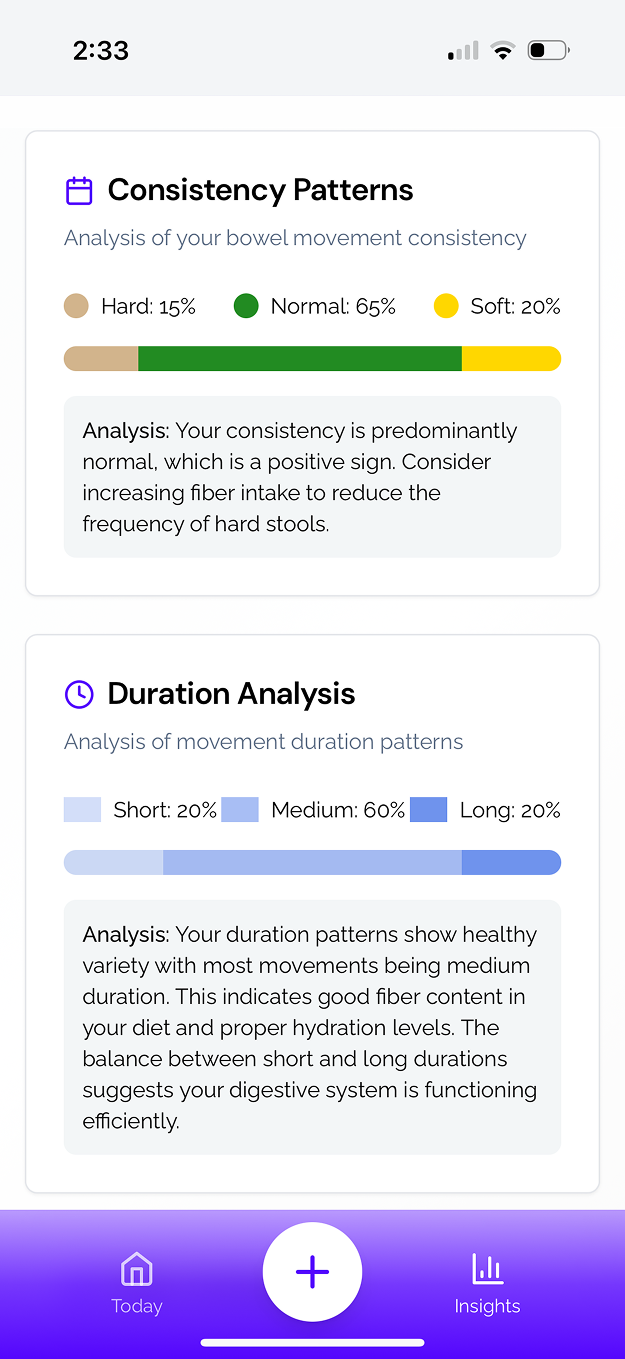
A single snapshot cannot capture that variation, which is a large part of why the results so often fail to translate into anything actionable. Continuous measurement of metabolic activity is a more logical fit for a fluctuating condition, which is the premise SNIFR is built on.
That premise is sound in principle and still being validated in practice. Our overview of advanced digestive monitoring for IBS and gastrointestinal diseases sets out where this sits in the wider clinical picture.
Turning Microbiome Thinking Into Practical Steps
Here is what I actually recommend to patients who want to work with their microbiome rather than fight it.
- Get the diagnosis settled first. IBS is a diagnosis of exclusion. Microbiome speculation is not a substitute for ruling out celiac disease, inflammatory bowel disease, and other causes (Lacy et al., American Journal of Gastroenterology, 2021).
- Favour diversity over restriction where you can tolerate it. Long, unnecessarily restrictive diets tend to narrow the microbiome. Use elimination as a time-limited diagnostic phase, then reintroduce systematically with support (Staudacher and Whelan, Gut, 2017).
- Treat probiotics as a trial, not a certainty. Evidence in IBS is mixed and strain-specific (Ford et al., Alimentary Pharmacology and Therapeutics, 2018). Give any trial a defined window, judge it honestly, and stop if it is not helping.
- Take stress seriously as physiology. Behavioural therapies have real evidence in IBS. In a network meta-analysis of 67 randomised trials in 7,441 participants, cognitive behavioural therapy showed a relative risk of global symptoms not improving of 0.65 (95 percent CI 0.53 to 0.80) and gut-directed hypnotherapy 0.79 (95 percent CI 0.66 to 0.95) versus waiting list (Thakur et al., The Lancet Gastroenterology and Hepatology, 2025).
- Track patterns, not single days. One bad day tells you nothing. A pattern across weeks is worth bringing to your gastroenterologist.
Hypothetical scenario. Consider a hypothetical case: an adult with IBS-M whose bloating worsened after adding a large daily dose of inulin on general advice about feeding the microbiome. Because symptom generation in IBS tracks fermentable carbohydrate load rather than baseline bacterial composition (Ong et al., Journal of Gastroenterology and Hepatology, 2010), a dietitian steps the prebiotic dose down and reintroduces it slowly while everything else is held constant. The mechanism is fermentation and visceral sensitivity, not a bacterial deficiency that a supplement corrected. This is an illustrative example, not an outcome attributed to any product.
Red Flag Symptoms That Need Prompt Medical Attention
Dysbiosis is not the explanation for everything, and treating every symptom as a microbiome problem is how serious conditions get missed. The BSG lists family history of colorectal cancer or inflammatory bowel disease, unexplained weight loss, rectal bleeding not due to haemorrhoids, nocturnal diarrhoea and unexplained iron deficiency anaemia as alarm features warranting urgent evaluation (Vasant et al., Gut, 2021). Seek prompt medical care for:
- Blood in the stool, or black, tarry stools
- Unintentional weight loss
- Diarrhea or pain that wakes you at night
- Unexplained anemia
- Fever or persistent vomiting
- A family history of colorectal cancer, inflammatory bowel disease, or celiac disease
- New bowel symptoms beginning after age 50
What SNIFR Is Designed to Do, and What It Is Not
SNIFR is being developed as an at-home wellness monitoring system that observes VOC patterns in stool gas passively over time. It is intended to help you and your clinician see how your digestive patterns behave day to day.
It is not a microbiome diagnostic. It does not identify bacterial species, diagnose dysbiosis as a medical condition, diagnose IBS, or determine which probiotic or diet you should follow. It does not replace colonoscopy, endoscopy, breath testing, stool studies, or blood work. Those decisions belong with your gastroenterologist or dietitian.
The honest version of the microbiome story in IBS is that it is real, it is important, and it is still being worked out. Anyone offering you certainty is ahead of the science.
Frequently Asked Questions
Can gut bacteria really cause my IBS symptoms?
Gut bacteria contribute, though they are rarely the whole story. Fermentation produces gas that a sensitised gut registers as pain, bile acid handling drives diarrhea in roughly a third of IBS-D patients, and a meta-analysis found SIBO in 38 percent of IBS patients. A systematic review of case-control studies found altered microbiota in IBS but no consistent signature.
Is there a microbiome test that can diagnose IBS?
No. There is currently no microbiome test that diagnoses IBS, predicts which diet will work, or tells you which probiotic to take. A 2019 systematic review in Gastroenterology found altered microbiota in IBS without a reproducible signature. IBS remains a clinical diagnosis based on Rome IV criteria after other conditions are excluded.
Do probiotics work for IBS?
Results are strain-specific. Bifidobacterium infantis 35624 at 1 x 10^8 CFU daily beat placebo for abdominal pain and composite score over four weeks in one trial, with global improvement exceeding placebo by more than 20 percent. A later meta-analysis found benefit for some agents but marked heterogeneity, so no strain can be recommended universally.
Why does the same food affect me differently on different days?
Because your gut is not a fixed system. Transit speed, stress, sleep, hormonal phase, medications and what else you ate all change how a food is fermented and how sensitively you perceive the result. Experimental stress measurably increases intestinal permeability in humans, which is one route by which context changes outcome.
What does VOC monitoring tell me about my gut bacteria?
It observes gases produced as bacteria ferment food and process bile acids, so it reflects metabolic activity rather than which species are present. It does not identify bacteria, diagnose dysbiosis, or diagnose IBS, and it does not replace breath testing or stool studies. It is being developed as a wellness pattern-tracking tool.
Will eliminating more foods fix my microbiome?
Usually not, and prolonged restriction tends to reduce microbial diversity. Elimination diets such as low FODMAP work best as a short diagnostic phase followed by structured reintroduction with dietitian support. The network meta-analysis that ranked low FODMAP first among dietary interventions studied short-term elimination, not indefinite restriction.
Can an infection start IBS?
Yes. A meta-analysis found IBS in 10.1 percent of patients 12 months after infectious enteritis, with more than a fourfold increase in odds compared with unexposed individuals. Post-infection IBS is a recognised subgroup, and one randomised trial of glutamine supplementation was conducted specifically in this population.
References
- Pittayanon R, Lau JT, Yuan Y, et al. Gut Microbiota in Patients With Irritable Bowel Syndrome. A Systematic Review. Gastroenterology. 2019;157(1):97-108. doi:10.1053/j.gastro.2019.03.049
- Tap J, Derrien M, Törnblom H, et al. Identification of an Intestinal Microbiota Signature Associated With Severity of Irritable Bowel Syndrome. Gastroenterology. 2017;152(1):111-123.e8. doi:10.1053/j.gastro.2016.09.049
- Malinen E, Rinttilä T, Kajander K, et al. Analysis of the Fecal Microbiota of Irritable Bowel Syndrome Patients and Healthy Controls with Real-Time PCR. American Journal of Gastroenterology. 2005;100(2):373-382. doi:10.1111/j.1572-0241.2005.40312.x
- Lovell RM, Ford AC. Global Prevalence of and Risk Factors for Irritable Bowel Syndrome: A Meta-analysis. Clinical Gastroenterology and Hepatology. 2012;10(7):712-721.e4. doi:10.1016/j.cgh.2012.02.029
- Sperber AD, Bangdiwala SI, Drossman DA, et al. Worldwide Prevalence and Burden of Functional Gastrointestinal Disorders, Results of Rome Foundation Global Study. Gastroenterology. 2021;160(1):99-114.e3. doi:10.1053/j.gastro.2020.04.014
- Ong DK, Mitchell SB, Barrett JS, et al. Manipulation of dietary short chain carbohydrates alters the pattern of gas production and genesis of symptoms in irritable bowel syndrome. Journal of Gastroenterology and Hepatology. 2010;25(8):1366-1373. doi:10.1111/j.1440-1746.2010.06370.x
- Ahmed I, Greenwood R, Costello BdL, Ratcliffe NM, Probert CS. An Investigation of Fecal Volatile Organic Metabolites in Irritable Bowel Syndrome. PLoS ONE. 2013;8(3):e58204. doi:10.1371/journal.pone.0058204
- Zhang VR, Ramachandran GK, Loo EXL, Soh AYS, Yong WP, Siah KTH. Volatile organic compounds as potential biomarkers of irritable bowel syndrome: A systematic review. Neurogastroenterology & Motility. 2023;35(7):e14536. doi:10.1111/nmo.14536
- Posserud I, Syrous A, Lindström L, Tack J, Abrahamsson H, Simrén M. Altered Rectal Perception in Irritable Bowel Syndrome Is Associated With Symptom Severity. Gastroenterology. 2007;133(4):1113-1123. doi:10.1053/j.gastro.2007.07.024
- Zmora N, Suez J, Elinav E. You are what you eat: diet, health and the gut microbiota. Nature Reviews Gastroenterology & Hepatology. 2019;16(1):35-56. doi:10.1038/s41575-018-0061-2
- Wedlake L, A’Hern R, Russell D, Thomas K, Walters JRF, Andreyev HJN. Systematic review: the prevalence of idiopathic bile acid malabsorption as diagnosed by SeHCAT scanning in patients with diarrhoea-predominant irritable bowel syndrome. Alimentary Pharmacology and Therapeutics. 2009;30(7):707-717. doi:10.1111/j.1365-2036.2009.04081.x
- Shah A, Talley NJ, Jones M, et al. Small Intestinal Bacterial Overgrowth in Irritable Bowel Syndrome: A Systematic Review and Meta-Analysis of Case-Control Studies. American Journal of Gastroenterology. 2020;115(2):190-201. doi:10.14309/ajg.0000000000000504
- Rezaie A, Buresi M, Lembo A, et al. Hydrogen and Methane-Based Breath Testing in Gastrointestinal Disorders: The North American Consensus. American Journal of Gastroenterology. 2017;112(5):775-784. doi:10.1038/ajg.2017.46
- Klem F, Wadhwa A, Prokop LJ, et al. Prevalence, Risk Factors, and Outcomes of Irritable Bowel Syndrome After Infectious Enteritis: A Systematic Review and Meta-analysis. Gastroenterology. 2017;152(5):1042-1054.e1. doi:10.1053/j.gastro.2016.12.039
- Thabane M, Kottachchi DT, Marshall JK. Systematic review and meta-analysis: the incidence and prognosis of post-infectious irritable bowel syndrome. Alimentary Pharmacology and Therapeutics. 2007;26(4):535-544. doi:10.1111/j.1365-2036.2007.03399.x
- Drossman DA, Hasler WL. Rome IV. Functional GI Disorders: Disorders of Gut-Brain Interaction. Gastroenterology. 2016;150(6):1257-1261. doi:10.1053/j.gastro.2016.03.035
- Mayer EA, Savidge T, Shulman RJ. Brain-Gut Microbiome Interactions and Functional Bowel Disorders. Gastroenterology. 2014;146(6):1500-1512. doi:10.1053/j.gastro.2014.02.037
- Dinan TG, Cryan JF. The Microbiome-Gut-Brain Axis in Health and Disease. Gastroenterology Clinics of North America. 2017;46(1):77-89. doi:10.1016/j.gtc.2016.09.007
- Halmos EP, Power VA, Shepherd SJ, Gibson PR, Muir JG. A Diet Low in FODMAPs Reduces Symptoms of Irritable Bowel Syndrome. Gastroenterology. 2014;146(1):67-75.e5. doi:10.1053/j.gastro.2013.09.046
- Black CJ, Staudacher HM, Ford AC. Efficacy of a low FODMAP diet in irritable bowel syndrome: systematic review and network meta-analysis. Gut. 2022;71(6):1117-1126. doi:10.1136/gutjnl-2021-325214
- Eswaran SL, Chey WD, Han-Markey T, Ball S, Jackson K. A Randomized Controlled Trial Comparing the Low FODMAP Diet vs. Modified NICE Guidelines in US Adults with IBS-D. American Journal of Gastroenterology. 2016;111(12):1824-1832. doi:10.1038/ajg.2016.434
- Whorwell PJ, Altringer L, Morel J, et al. Efficacy of an Encapsulated Probiotic Bifidobacterium infantis 35624 in Women with Irritable Bowel Syndrome. American Journal of Gastroenterology. 2006;101(7):1581-1590. doi:10.1111/j.1572-0241.2006.00734.x
- Ford AC, Harris LA, Lacy BE, Quigley EMM, Moayyedi P. Systematic review with meta-analysis: the efficacy of prebiotics, probiotics, synbiotics and antibiotics in irritable bowel syndrome. Alimentary Pharmacology and Therapeutics. 2018;48(10):1044-1060. doi:10.1111/apt.15001
- Pimentel M, Lembo A, Chey WD, et al. Rifaximin Therapy for Patients with Irritable Bowel Syndrome without Constipation. New England Journal of Medicine. 2011;364(1):22-32. doi:10.1056/NEJMoa1004409
- Bennet SMP, Böhn L, Störsrud S, et al. Multivariate modelling of faecal bacterial profiles of patients with IBS predicts responsiveness to a diet low in FODMAPs. Gut. 2018;67(5):872-881. doi:10.1136/gutjnl-2016-313128
- Staudacher HM, Whelan K. The low FODMAP diet: recent advances in understanding its mechanisms and efficacy in IBS. Gut. 2017;66(8):1517-1527. doi:10.1136/gutjnl-2017-313750
- Vanuytsel T, van Wanrooy S, Vanheel H, et al. Psychological stress and corticotropin-releasing hormone increase intestinal permeability in humans by a mast cell-dependent mechanism. Gut. 2014;63(8):1293-1299. doi:10.1136/gutjnl-2013-305690
- Thakur ER, Khasawneh M, Moayyedi P, Black CJ, Ford AC. Efficacy of behavioural therapies for irritable bowel syndrome: a systematic review and network meta-analysis. The Lancet Gastroenterology & Hepatology. 2025;10(12):1075-1088. doi:10.1016/S2468-1253(25)00238-9
- Lacy BE, Pimentel M, Brenner DM, Chey WD, Keefer LA, Long MD, Moshiree B. ACG Clinical Guideline: Management of Irritable Bowel Syndrome. American Journal of Gastroenterology. 2021;116(1):17-44. doi:10.14309/ajg.0000000000001036
- Vasant DH, Paine PA, Black CJ, et al. British Society of Gastroenterology guidelines on the management of irritable bowel syndrome. Gut. 2021;70(7):1214-1240. doi:10.1136/gutjnl-2021-324598
- Enck P, Aziz Q, Barbara G, et al. Irritable bowel syndrome. Nature Reviews Disease Primers. 2016;2:16014. doi:10.1038/nrdp.2016.14
SNIFR is designed to provide insights about gut health patterns, not to diagnose or treat medical conditions. Individual results may vary as gut health is influenced by numerous factors including diet, stress, sleep, and genetics. SNIFR is currently in development, and features described may evolve before commercial release.
Other Posts



Be first to try SNIFR. Beta coming soon.
Join our waitlist to get notified when the app launches. Start understanding your gut health sooner.