
Histamine Intolerance and Gut Health: A Practical Guide
Histamine intolerance links DAO enzyme capacity to your gut bacteria. See the genetics, the food data, the supplement doses used in trials and their safety limits.

There is a particular kind of exhaustion that comes from being told your symptoms are anxiety. Migraines that arrive like clockwork after certain meals. Palpitations frightening enough that you have wondered about your heart. Brain fog thick enough to make a workday feel impossible. Bloating and diarrhoea that leave you drained and self-conscious. And a series of appointments that end with a shrug.
If that is familiar, I want to say something clearly: those symptoms are real signals, not imagination. For a subset of people they trace back to histamine, a compound that sits at the intersection of your gut, your immune system, and your nervous system.
Histamine intolerance is not fully understood and it is not simple. It is also, for most people, manageable once you understand the mechanism. Let's go through it, including the numbers, because this is one area where the research is more specific than the wellness coverage suggests.
Symptoms That Rarely Get Connected
People who turn out to have a histamine problem often describe some combination of the following:
- Sudden headaches or migraines, particularly after eating
- Palpitations or a sense of irregular heartbeat
- Brain fog and difficulty concentrating
- Unexplained fatigue and energy crashes
- Bloating, diarrhoea, or constipation
- Flushing, hives, or other skin reactions
- Joint or muscle aches
- Anxiety-like symptoms with no obvious trigger
- Reactions that never show up on allergy testing
Very often there is also an IBS diagnosis in the background, elimination diets that helped a little, and a probiotic regimen that did not.
An important caveat before going further. Some of these symptoms overlap with conditions that need urgent medical attention, and severe reactions involving breathing difficulty or swelling are not histamine intolerance. They require emergency care and an allergist. Histamine intolerance is a diagnosis of careful exclusion, made with a clinician, not something to conclude from a symptom list.
What Histamine Actually Does
Histamine is a molecule your body makes on purpose. It participates in immune responses, stomach acid regulation, sleep and wake cycles, and blood vessel function. In ordinary amounts it is essential.
The trouble arises when the amount circulating exceeds what your body can clear. And histamine arrives from two directions. Your own cells release it, mast cells and basophils in particular. It is also present in food, and, importantly, some gut bacteria produce it as a metabolic byproduct.
Think of your gut as a working population. When the community is balanced, histamine-producing organisms are kept in proportion by everything else present and by an intact intestinal barrier. When that balance shifts, histamine-producing species can expand their share, adding to the load from below.
Which brings us to the enzyme that has to keep up.
The DAO Enzyme and the Genetics Behind It
Diamine oxidase, or DAO, is produced mainly in the lining of the small intestine and encoded by the AOC1 gene. Its job is to break down dietary and bacterially produced histamine before it is absorbed. It is, essentially, the clearance system, and histamine intolerance is best understood as a mismatch between histamine load and DAO capacity rather than as a reaction to any single food (Comas-Basté et al., Biomolecules, 2020).
Clearance capacity is partly inherited, and the figure that circulates in this space turns out to have a real source behind it. In a 2024 pilot study of people presenting with symptoms of histamine intolerance, 79 percent carried one or more of four single-nucleotide variants in AOC1 associated with reduced DAO activity (Duelo et al., Nutrients, 2024). The four variants studied were rs10156191 (p.Thr16Met), rs1049742 (p.Ser332Phe), rs1049793 (p.His645Asp), and rs2052129, a promoter variant associated with lower transcriptional activity.
Two things are worth holding alongside that number. It comes from a pilot study in a symptomatic clinic population, not from a general population screen, so it describes people who already have symptoms rather than predicting who will get them. And these variants are common: comparable prevalences have been reported in unrelated patient groups, which means carrying one is not by itself a diagnosis.
But predisposition is not destiny. DAO activity is also influenced by the state of the intestinal lining where it is produced, by nutrient status, by certain medications, and by hormonal factors. Practically, that means capacity can be worked on: by reducing the histamine burden arriving from the gut, by supporting barrier function, by addressing nutrient shortfalls that DAO depends on, and, under clinical guidance, by supplementation.
The Microbiome Connection
This is where the gut becomes central rather than incidental.
A systematic search of 36,554 bacterial genomes from the Genome Taxonomy Database and the Unified Human Gastrointestinal Genome catalogue identified 117 putative histamine-secreting bacterial species in the human gut, including species in phyla where histamine production had never previously been described. Those species were significantly enriched in people with inflammatory bowel disease (Mou et al., BMC Genomics, 2021).
When researchers have examined the microbiota of people with histamine intolerance directly, a consistent dysbiotic pattern appears. In a 2022 study using 16S rRNA sequencing, patients with histamine intolerance had significantly lower proportions of Prevotellaceae, Ruminococcus, Faecalibacterium and Faecalibacterium prausnitzii, and significantly higher abundance of histamine-secreting organisms including Staphylococcus, Proteus, several unidentified Enterobacteriaceae genera, Clostridium perfringens and Enterococcus faecalis (Sánchez-Pérez et al., Nutrients, 2022).
What matters clinically is that this is self-reinforcing. Imbalance raises histamine production. Excess histamine contributes to inflammation at the gut lining. Inflammation worsens the imbalance and the barrier. More histamine crosses. Breaking that loop means addressing all three points: the histamine-producing population, the beneficial population, and the barrier itself.
There is encouraging evidence that this is modifiable rather than fixed. A pilot study followed five women with histamine intolerance through nine months of dietary treatment and found statistically significant changes in the relative abundance of 44 genera and 64 species, with a significant reduction in bacteria with recognised histamine-secreting ability. All participants improved, and the gastrointestinal symptoms in particular resolved for most of them from the second month onward (Sánchez-Pérez et al., Frontiers in Nutrition, 2022). Five participants is a small study and should be read as a signal rather than proof, but it is a mechanistically coherent one.
Identifying It
The diagnostic challenge is that symptoms overlap heavily with allergy, IBS, anxiety disorders, and mast cell conditions. There is no single reliable biomarker yet.
Supervised low-histamine trial
The most informative indicator remains clinical response to a low-histamine diet, typically over about three weeks. This should be run with a registered dietitian, because elimination diets carry real risks: nutritional gaps, disordered eating patterns, social isolation, and rising anxiety around food. A supervised, time-limited trial is a diagnostic tool. An indefinite self-directed restriction is not.
Symptom and food pattern mapping
Alongside any trial, map the patterns. Keep a detailed diary for one to two weeks recording meals, symptoms, timing, and severity. Look specifically for symptoms appearing roughly thirty minutes to three hours after particular foods, and check whether the reaction reproduces on a second exposure. Individual variation is enormous, and it is normal to tolerate one aged food and react to another.
Testing
Some practitioners measure plasma histamine, though it is unstable in samples and imperfect as a marker. Serum DAO activity is available and is used in research settings, but its performance as a standalone diagnostic test is contested. DAO activity measured in intestinal biopsy is accurate but invasive and rarely performed. Genetic testing for the AOC1 variants above is becoming more available, largely in research contexts, and as noted, a positive result is a predisposition rather than a diagnosis. None of these are definitive on their own.
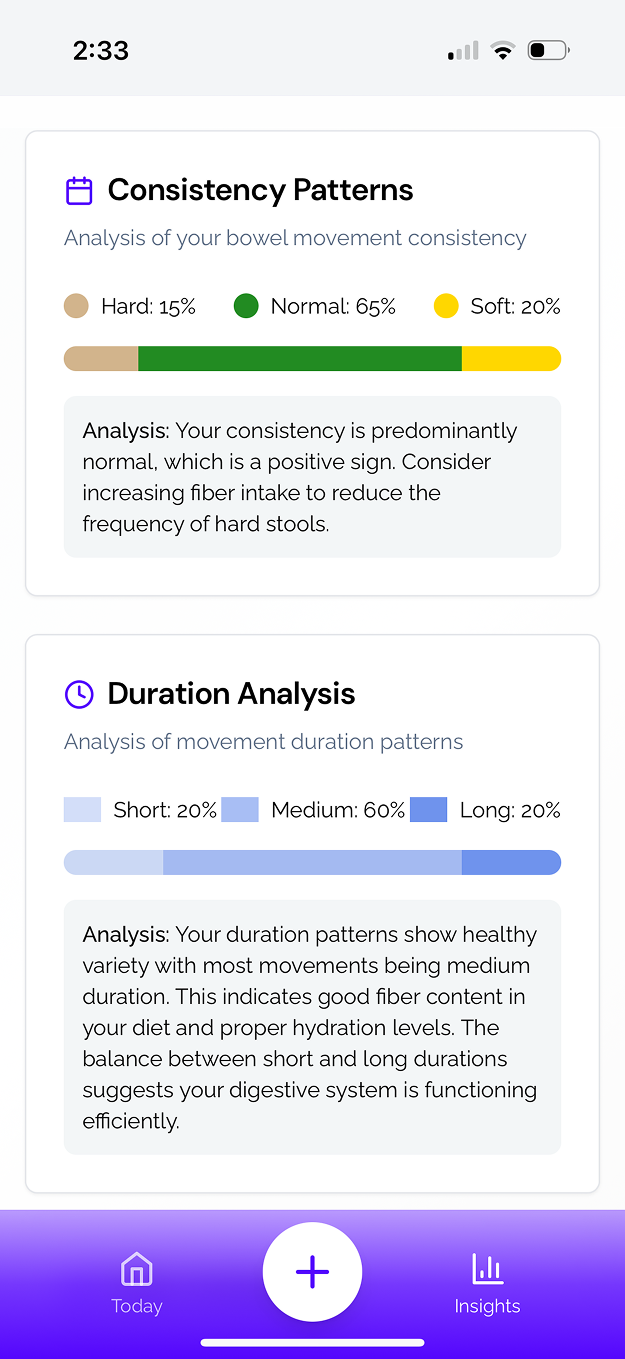
Emerging at-home monitoring adds a different kind of information: longitudinal patterns in microbial fermentation activity rather than a single measurement. Approaches based on volatile organic compound analysis can offer personalized insights into whether your bacterial balance is trending toward or away from the patterns associated with dysbiosis. This is pattern observation to support gut health optimization, not a diagnostic test for histamine intolerance or any other condition. The broader context is covered in our guide to food sensitivity detection through advanced gut health tracking.
A Staged Approach to Management
None of what follows is a prescription. It is the general shape of an approach that should be built with a registered dietitian or physician who knows your history, particularly the supplement elements. Doses below are the ones used in published studies, given so you know what the literature actually tested, and every one appears next to its safety ceiling.
Stage one: baseline, weeks one and two
Before changing anything, gather information. Track food, timing, symptom severity, and context. Note stress, sleep, and menstrual cycle where relevant, since all three influence histamine tolerance. Establish a gut health baseline if you plan to use at-home monitoring. Book time with a dietitian experienced in food sensitivities.
Stage two: dietary trial, weeks three to six
A modified low-histamine approach, not a maximal one. Strict elimination frequently backfires, so the aim is to remove the highest-histamine foods for three to four weeks while keeping the diet nutritionally sound and continuing to track.
Before you commit to any list, one important finding. A 2021 review compared ten published low-histamine diets against measured histamine content and found that only 32 percent of the excluded foods could actually be explained by high histamine content. Most of the excluded foods contained under 1 mg/kg, meaning they were genuinely low in histamine. Only fermented foods were excluded unanimously across all ten protocols (Sánchez-Pérez et al., Nutrients, 2021). Treat the standard list as a working hypothesis to be tested against your own responses, not as established fact.
| Category | Typically reduced during a trial | Evidence strength |
|---|---|---|
| Fermented foods | Sauerkraut, kimchi, kombucha, miso, soy sauce, aged and blue cheeses | Strongest. The only category excluded unanimously across all ten reviewed protocols, and consistently high in measured histamine |
| Cured and processed meats | Salami, pepperoni, bacon, deli meats | Well supported by measured content |
| Aged or poorly stored fish | Mackerel, sardines, anchovy, tuna, and any fish of uncertain freshness | Well supported; histamine accumulates rapidly with poor cold chain |
| Leftovers and reheated protein | Anything protein-rich stored for more than a day | Well supported by the mechanism of bacterial histamine formation during storage |
| Alcohol | Wine and beer particularly | Dual mechanism: histamine content plus DAO suppression |
| Commonly listed but weakly supported | Tomatoes, spinach, eggplant, avocado, citrus, strawberries, chocolate, some nuts, very ripe bananas | Weak. Most measure under 1 mg/kg. Often excluded on tradition rather than measured content; test individually rather than removing wholesale |
Typically well tolerated: freshly prepared meat, poultry, and fish; eggs; a wide range of fresh vegetables including carrots, courgette, cucumber, green beans, lettuce, cabbage, and cauliflower; rice, quinoa, and oats; apples, pears, berries, and melon; olive oil, coconut oil, and butter; fresh herbs.
Handling matters as much as the list. Buy fresh and use quickly. Freeze immediately after cooking rather than refrigerating leftovers. Prefer fresh herbs to dried. Note that long, slow, low-temperature cooking gives histamine more opportunity to accumulate.
Many people see meaningful improvement within three to four weeks. Some do not, and that is useful information too rather than a failure.
Stage three: addressing the microbial and enzymatic side, weeks four to twelve
DAO supplementation is used to support histamine breakdown at the point of digestion, taken shortly before meals. Two studies define what has actually been tested. In a randomised double-blind trial, 100 people with episodic migraine and confirmed low DAO activity took a DAO supplement or placebo for one month; mean headache duration fell from 6.14 to 4.76 hours, a statistically significant reduction, with no significant effect on attack frequency or pain intensity (Izquierdo-Casas et al., Clinical Nutrition, 2019). In an open-label pilot study, 28 patients with histamine intolerance took DAO capsules before meals for four weeks, symptom scores improved significantly, and scores rose again when supplementation stopped (Schnedl et al., Food Science and Biotechnology, 2019). Products in this literature commonly supply around 4.2 mg of DAO per capsule taken shortly before a main meal.
Two honest caveats. The trial evidence is small and short, and the migraine result was a duration effect only. And most commercial DAO is derived from porcine kidney, which matters if you avoid pork for dietary or religious reasons. Whether it is appropriate for you is a clinical decision.
Probiotic selection is genuinely strain-dependent here, more so than in most contexts, because some strains produce histamine and others do not. Strains that appear favourably in the literature for DAO support and barrier integrity include certain Lactiplantibacillus plantarum strains, Lactobacillus rhamnosus GG, Saccharomyces boulardii, and Bifidobacterium longum. Strains more often flagged as histamine-producing include Lactobacillus reuteri, certain Lactobacillus delbrueckii strains, and Leuconostoc species. Commercial multi-strain formulations are typically dosed in the tens of billions of CFU daily and are usually trialled for at least four to eight weeks before judging the effect. This classification is evolving and effects can differ between formulations of nominally the same strain, so verify the specific product with your practitioner rather than relying on a general list.
Nutrient cofactors. DAO is a copper-containing enzyme and its function depends on specific nutrients, which are commonly low where absorption is compromised. Here is what those nutrients are, what the reference intakes are, and where the ceilings sit. These are reference values, not a protocol. Copper in particular is harmful in excess and requires individual assessment before anyone supplements it.
| Cofactor | Role | Adult reference intake | Tolerable upper intake level | Cautions |
|---|---|---|---|---|
| Copper | Structural component of the DAO enzyme itself | RDA 900 mcg/day | 10 mg/day | Genuinely toxic in excess; contraindicated in Wilson's disease; depleted by high-dose zinc; do not self-supplement. The 2 to 4 mg/day figure that circulates in histamine protocols sits well above the RDA and needs clinical oversight and monitoring. |
| Vitamin B6 (as pyridoxal-5-phosphate) | Cofactor in histamine metabolism | RDA 1.3 to 1.7 mg/day | 100 mg/day | Prolonged intake above the upper limit is associated with sensory peripheral neuropathy, which can be irreversible. The 25 to 50 mg/day figure common in protocols is below the ceiling but far above the RDA and should be time-limited. |
| Vitamin C | Supports histamine degradation and general antioxidant status | RDA 75 mg/day (women), 90 mg/day (men) | 2,000 mg/day | Doses above the ceiling cause osmotic diarrhoea, which is counterproductive here; caution with a history of kidney stones or haemochromatosis. |
Blood levels, not guesswork, should drive any of this. Ask your clinician to check status before adding anything, particularly copper.
Stage four: reintroduction and personalization, week twelve onward
After a couple of months of dietary work and support, the interesting part begins: finding your actual threshold.
- Pick one moderate-histamine food rather than an extreme test
- Try it on a low-stress day, at lunchtime, in a small portion
- Track for forty-eight hours, since reactions can be delayed
- If nothing happens, build the portion up over a few days
- Space reintroductions three to four days apart so triggers stay identifiable
Given the 2021 finding that most commonly excluded foods are not actually high in histamine, the foods in the weakly supported row of the table above are sensible early candidates for reintroduction.
Tolerance is individual and often surprising. Some people manage aged cheese comfortably and react to fermented vegetables. Others find the reverse.
Hypothetical scenario. As an illustrative scenario, imagine someone who has removed 30 foods from a printed low-histamine list and is still having headaches. Working with a dietitian, she reintroduces the weakly supported items first: tomatoes, citrus, strawberries and avocado all pass without incident, which is consistent with the 2021 review finding that most of the foods on these lists measure under 1 mg/kg. What does not pass is the category the review found unanimous support for: aged cheese, and any fish or leftover protein more than a day old. Her genuine restriction turns out to be a handful of categories plus a strict rule about food storage, not a 30-item list. Her clinician also reviews her medications, since several drug classes suppress DAO. This scenario illustrates the cited findings and does not describe a real client.
Why Your Protocol Has to Be Yours
Anyone who tells you to eliminate twenty foods and expect resolution is oversimplifying. Individual variation in histamine tolerance is driven by several layers at once.
- Genetic factors: the four AOC1 variants above, carried by 79 percent of symptomatic patients in the 2024 pilot study, plus variants affecting mast cell stability, barrier function, and histamine metabolism.
- Microbial factors: which of the 117 identified histamine-secreting species you carry, your overall diversity and resilience, and your production of protective metabolites such as short-chain fatty acids.
- Physiological factors: stomach acid production, intestinal motility, barrier integrity, and estrogen levels, which influence DAO activity and are one reason symptoms often shift across the menstrual cycle.
- Environmental factors: stress, which triggers mast cell activation; sleep quality; medications, some of which suppress DAO; and other concurrent immune activation.
Lifestyle Factors That Move the Needle
Stress increases histamine release from mast cells and reduces DAO activity. This is physiology, not psychology, and the mechanism is documented: in controlled human work, acute psychological stress increased small intestinal permeability, and the effect was blocked by a mast cell stabiliser (Vanuytsel et al., Gut, 2014). Daily practice matters: ten to fifteen minutes of breathing work, meditation, or gentle yoga, and moderate rather than very intense exercise, since hard sessions can provoke mast cell activity.
Sleep supports both barrier function and DAO activity. Consistent timing, a cool dark room, screens off an hour before bed, and avoiding alcohol, which raises histamine load and disrupts sleep simultaneously.
Transit time matters because slow transit gives bacteria longer to produce histamine. Adequate hydration, regular moderate movement, and soluble fiber from lower-histamine sources such as oats, carrots, and courgette all help.
Alcohol deserves its own mention. Most alcoholic drinks are high in histamine, alcohol suppresses DAO, and the two effects compound. During an initial healing phase, complete avoidance is usually recommended.
When to Get Professional Help
Seek immediate medical attention for difficulty breathing, swelling of the face, lips, throat, or tongue, chest pain, or any severe systemic reaction. These may indicate true IgE-mediated allergy, which is life-threatening and requires emergency care and allergist evaluation. Do not attempt to manage those symptoms with dietary changes.
Work with a registered dietitian if you have not improved after four weeks of change, are worried about nutritional adequacy, need help finding hidden histamine sources, have concurrent conditions such as IBS or inflammatory bowel disease, or notice fear developing around food.
See a gastroenterologist for severe or unrelenting symptoms, suspected barrier dysfunction, evaluation for SIBO or inflammatory bowel disease, or when standard approaches are not producing the expected response.
See an allergist to distinguish true IgE-mediated allergy from histamine intolerance, for unexplained systemic reactions, and for formal allergy testing. Standard allergy tests will not detect histamine intolerance, since it is not IgE-mediated. The allergist's role is to rule out concurrent allergy, which is an important thing to have ruled out.
Ask your prescriber about your medications. Several drug classes are reported to inhibit DAO activity, and this is a conversation to have with the person who prescribed them rather than a reason to stop anything on your own.
Realistic Expectations
This is not a quick fix, and it is manageable for most people with consistency.
The first fortnight is data gathering, with no improvement expected. Weeks three and four often bring the first meaningful change for some, slow progress for others, and occasionally a brief worsening before improvement. Through weeks four to eight, a majority of people who respond report substantial symptom reduction, with energy and cognitive symptoms often improving noticeably. By weeks eight to twelve, responders generally have clear, lasting improvement and can begin cautious reintroduction. Over months three to six, the diet widens according to individual tolerance. In the nine-month dietary treatment study cited above, gastrointestinal symptoms had largely resolved from the second month for most participants.
These are observed patterns rather than guarantees, and they assume reasonable consistency.
Progress Is Not Linear
Expect setbacks, because they are normal rather than diagnostic of failure. Common causes of a flare after weeks of improvement include the menstrual cycle, a stretch of poor sleep or high stress, an unnoticed high-histamine exposure such as fish that was less fresh than advertised, an infection, a medication change, or seasonal factors.
When one happens: return to stricter eating for a few days, prioritize sleep and stress reduction, treat it as information rather than failure, and once things settle, continue where you left off while considering what set it off.
The Goal Is a Wider Life, Not a Narrower Diet
Long-term success with histamine intolerance is not rigid restriction forever. Eliminating all histamine is neither possible nor necessary. The goal is understanding your threshold, improving gut health so that threshold widens over time, and living comfortably within it.
Some people eventually manage aged cheese in small amounts. Others stay sensitive to cured meats and enjoy fermented vegetables without issue. What changes most, in my experience, is not perfection but relationship: understanding the mechanism, having objective ways to see whether interventions are working, recognizing early warning signs, and stopping the self-blame.
That is what empowerment through data actually looks like.
Frequently Asked Questions
What is histamine intolerance?
It is a mismatch between the histamine entering your system and your capacity to clear it, usually linked to reduced activity of the DAO enzyme produced in the small intestine and encoded by the AOC1 gene. Histamine comes from food, from your own mast cells, and from certain gut bacteria. It is diagnosed clinically, by exclusion.
Is histamine intolerance genetic?
Partly. In a 2024 pilot study published in Nutrients, 79 percent of people with symptoms of histamine intolerance carried at least one of four AOC1 variants associated with reduced DAO activity. Those variants are common, so carrying one is a predisposition rather than a diagnosis, and DAO activity is also shaped by gut lining health, nutrients and medications.
Can gut bacteria cause histamine intolerance?
Gut bacteria contribute to it. A screen of 36,554 genomes identified 117 putative histamine-secreting species in the human gut, and studies of patients find raised Staphylococcus, Proteus, Enterobacteriaceae, Clostridium perfringens and Enterococcus faecalis alongside reduced Faecalibacterium prausnitzii. A pilot study found dietary treatment reduced histamine-secreting bacteria, so this appears modifiable.
Are the standard low-histamine food lists accurate?
Only partly. A 2021 Nutrients review compared ten published low-histamine diets against measured histamine content and found only 32 percent of excluded foods were justified by high histamine levels. Most excluded foods measured under 1 mg/kg. Fermented foods were the only category excluded unanimously, and are the best supported restriction.
Does DAO supplementation work, and at what dose?
The evidence is small but real. A randomised double-blind trial in 100 migraine patients with low DAO activity found mean headache duration fell from 6.14 to 4.76 hours over one month, with no change in frequency or intensity. An open-label study of 28 patients found symptom scores improved and rebounded on stopping. Studied products commonly supply around 4.2 mg per capsule before meals.
Which probiotics are safe for histamine intolerance?
Strain choice matters more here than almost anywhere else, because some strains produce histamine. Strains appearing favourably in the literature include certain Lactiplantibacillus plantarum strains, Lactobacillus rhamnosus GG, Saccharomyces boulardii, and Bifidobacterium longum. Classification is evolving and varies by formulation, so verify the specific product with your practitioner.
Why do my histamine symptoms get worse before my period?
Estrogen influences DAO activity, so histamine tolerance commonly shifts across the menstrual cycle. Stress, sleep quality, medications, infections, and unnoticed high-histamine exposures produce similar fluctuations. A flare after weeks of improvement is normal and is best treated as information about your thresholds rather than as failure.
Is histamine intolerance the same as a food allergy?
No. Food allergy is an IgE-mediated immune reaction that can be life-threatening and requires an allergist. Histamine intolerance is not IgE-mediated and will not show on standard allergy testing. If you have had difficulty breathing, swelling of the face, lips, throat, or tongue, or any severe systemic reaction, seek emergency care.
References
- Duelo A, Comas-Basté O, Sánchez-Pérez S, et al. Pilot study on the prevalence of diamine oxidase gene variants in patients with symptoms of histamine intolerance. Nutrients. 2024;16(8):1142. doi:10.3390/nu16081142
- Mou Z, Yang Y, Hall AB, Jiang X. The taxonomic distribution of histamine-secreting bacteria in the human gut microbiome. BMC Genomics. 2021;22(1):695. doi:10.1186/s12864-021-08004-3
- Sánchez-Pérez S, Comas-Basté O, Duelo A, et al. Intestinal dysbiosis in patients with histamine intolerance. Nutrients. 2022;14(9):1774. doi:10.3390/nu14091774
- Sánchez-Pérez S, Comas-Basté O, Duelo A, et al. The dietary treatment of histamine intolerance reduces the abundance of some histamine-secreting bacteria of the gut microbiota in histamine intolerant women: a pilot study. Frontiers in Nutrition. 2022;9:1018463. doi:10.3389/fnut.2022.1018463
- Sánchez-Pérez S, Comas-Basté O, Veciana-Nogués MT, Latorre-Moratalla ML, Vidal-Carou MC. Low-histamine diets: is the exclusion of foods justified by their histamine content? Nutrients. 2021;13(5):1395. doi:10.3390/nu13051395
- Comas-Basté O, Sánchez-Pérez S, Veciana-Nogués MT, Latorre-Moratalla ML, Vidal-Carou MC. Histamine intolerance: the current state of the art. Biomolecules. 2020;10(8):1181. doi:10.3390/biom10081181
- Izquierdo-Casas J, Comas-Basté O, Latorre-Moratalla ML, et al. Diamine oxidase (DAO) supplement reduces headache in episodic migraine patients with DAO deficiency: a randomized double-blind trial. Clinical Nutrition. 2019;38(1):152-158. doi:10.1016/j.clnu.2018.01.013
- Schnedl WJ, Schenk M, Lackner S, et al. Diamine oxidase supplementation improves symptoms in patients with histamine intolerance. Food Science and Biotechnology. 2019;28(6):1779-1784. doi:10.1007/s10068-019-00627-3
- Vanuytsel T, van Wanrooy S, Vanheel H, et al. Psychological stress and corticotropin-releasing hormone increase intestinal permeability in humans by a mast cell-dependent mechanism. Gut. 2014;63(8):1293-1299. doi:10.1136/gutjnl-2013-305690
- National Institutes of Health, Office of Dietary Supplements. Copper: fact sheet for health professionals.
- National Institutes of Health, Office of Dietary Supplements. Vitamin B6: fact sheet for health professionals.
- National Institutes of Health, Office of Dietary Supplements. Vitamin C: fact sheet for health professionals.
- Histamine intolerance: symptoms, diagnosis, and beyond. Nutrients. 2024;16(8):1219.
- Evidence for dietary management of histamine intolerance. International Journal of Molecular Sciences. 2025;26(18):9198.
- Study protocol for a prospective, unicentric, double-blind, randomized, placebo-controlled trial on the efficacy of a low-histamine diet and DAO enzyme supplementation in patients with histamine intolerance. Nutrients. 2025;17(1):29.
SNIFR is designed to provide insights about gut health patterns, not to diagnose or treat medical conditions. Individual results may vary as gut health is influenced by numerous factors including diet, stress, sleep, and genetics. SNIFR is currently in development, and features described may evolve before commercial release.
Other Posts



Be first to try SNIFR. Beta coming soon.
Join our waitlist to get notified when the app launches. Start understanding your gut health sooner.