
15 Hidden Gut Microbiome Factors Sabotaging Your Weight Loss
Fifteen gut microbiome factors that quietly stall weight loss, from bacterial diversity to sleep and stress, each with the study behind it and one lever to pull.

You are doing everything right. Counting calories. Getting to the gym. Turning down the office donuts. And the scale is not moving.
Here is what most diet plans will not tell you: the trillions of bacteria living in your gut may be working against you. In a controlled energy balance study at the NIH, a 20 percent increase in Firmicutes with a corresponding decrease in Bacteroidetes was associated with an increased energy harvest of roughly 150 kcal per day in lean participants (Jumpertz et al., American Journal of Clinical Nutrition, 2011). That is from the same food, measured with bomb calorimetry, in a supervised feeding setting.
As a registered dietitian who has spent years working at the intersection of microbiome science and sustainable weight management, I have watched clients change their outcomes by addressing these hidden bacterial factors rather than cutting another 200 calories. Your gut microbiome influences your metabolism, your appetite hormones, your inflammation levels, and whether that 3 PM cookie feels optional or mandatory.
Let's walk through 15 ways your gut bacteria may be quietly working against your goals, and what you can actually do about each one.
1. Your Gut Bacteria Are Unusually Efficient at Extracting Calories
The problem: Some bacterial communities are simply better at their job. The foundational work here found that obese mice and humans carry a microbiome enriched in Firmicutes and depleted in Bacteroidetes, with a greater metagenomic capacity for energy harvest, and that this trait is transmissible: germ free mice colonized with an obese microbiota gained significantly more fat than those colonized with a lean one (Turnbaugh et al., Nature, 2006).
Think of it as having an unusually thorough accountant. Most let a few dollars slip through. Yours finds every penny and files it away.
The fix: Increase fiber diversity. In 1,632 healthy twins followed over roughly nine years, higher microbiome diversity and higher fibre intake were both independently associated with lower long term weight gain, after adjusting for calorie intake (Menni et al., International Journal of Obesity, 2017). Aim for 30 or more different plant foods weekly.
2. Low Bacterial Diversity, or the Monoculture Problem
The problem: In a 2013 Nature analysis of 292 Danish adults, about 23 percent carried a low bacterial gene count. Those individuals showed more marked adiposity, more insulin resistance, worse lipid profiles and a more pronounced inflammatory phenotype than high richness individuals, and they gained more weight over time (Le Chatelier et al., Nature, 2013).
Picture your gut as a rainforest. A healthy ecosystem has many species working in balance. With only a few dominant players, the whole system becomes fragile.
The fix: Variety is the spice of microbial life. A companion Nature paper showed that an energy restricted, high protein, high fibre diet increased gut microbial gene richness in low richness individuals over six weeks (Cotillard et al., Nature, 2013). Fermented foods like kimchi, sauerkraut, kefir, and yogurt introduce new strains. Rotate your vegetables and grains.
3. The Firmicutes to Bacteroidetes Imbalance
The problem: In a cross sectional study of 61 adults in Ukraine, the Firmicutes to Bacteroidetes ratio rose in a stepwise fashion across BMI categories, and the odds of obesity were significantly associated with a higher ratio (Koliada et al., BMC Microbiology, 2017). The proposed mechanism is that Firmicutes are more effective at converting indigestible carbohydrates into absorbable sugars and short chain fatty acids.
Worth noting: this ratio is a useful signal, not a verdict. Human results are less consistent than early mouse studies suggested, and several meta analyses have concluded it is not a reliable standalone biomarker.
The fix: A high fiber, plant rich diet supports a healthier balance. Reducing saturated fat and increasing polyphenol rich foods (berries, green tea, cocoa) also appears to support beneficial Bacteroidetes populations.
4. Artificial Sweeteners Are Changing Your Gut Environment
The problem: That zero calorie sweetener may not be calorie free from your bacteria's point of view. A 2014 Nature study found that non caloric artificial sweeteners induced glucose intolerance in mice and in a subset of healthy human volunteers, and that the effect was transferable to germ free mice by faecal transplant, which points to the bacteria as the mediator rather than a bystander (Suez et al., Nature, 2014). Saccharin, sucralose and aspartame were tested, with saccharin producing the clearest effect.
The fix: Reduce artificial sweetener intake gradually. If you want sweetness, small amounts of natural options work. Better still, retrain your palate by slowly lowering overall sweetness. Most people find their preferences adjust within a few weeks.
5. Sleep Deprivation Is Disrupting Your Gut Clock
The problem: Your gut bacteria run their own circadian rhythms. Roughly 20 percent of commensal taxa show diurnal oscillations in abundance and activity, and disrupting those oscillations impairs metabolic homeostasis in animal models (Thaiss et al., Cell, 2014). A 2023 review of sleep and gut health concluded that sleep deprivation reduces alpha diversity and shifts the Firmicutes to Bacteroidetes ratio (Sun et al., International Journal of Molecular Sciences, 2023).
That matters because of the number in the introduction. A 20 percent shift toward Firmicutes was associated with roughly 150 extra kcal of daily energy harvest in the NIH energy balance study (Jumpertz et al., 2011). Sleep loss also disrupts appetite hormones, with leptin falling and ghrelin rising.
The fix: Protect 7 to 9 hours of consistent sleep. Keep a regular schedule, even on weekends. Cool, dark room. Sleep is not a luxury for weight management, it is metabolic infrastructure.
6. Chronic Stress Is Reshaping Your Gut Ecosystem
The problem: Chronically elevated cortisol changes gut microbiome composition, reduces bacterial diversity, and increases gut permeability (Madison and Kiecolt-Glaser, Current Opinion in Behavioral Sciences, 2019).
The metabolic cost is measurable. In a study of 58 women given standardized high fat meals, each additional prior day stressor was associated with lower post meal resting energy expenditure, lower fat oxidation and higher insulin. The cumulative six hour difference between one prior day stressor and none came to 104 kcal, which the authors calculated would add up to almost 11 pounds across a year if repeated daily (Kiecolt-Glaser et al., Biological Psychiatry, 2015).
The fix: Stress management is not soft advice here, it is metabolic maintenance. Build in a daily practice: meditation, breath work, a walk outdoors, whatever genuinely settles your nervous system.
7. Ultra Processed Foods Are Wearing Down Your Gut Lining
The problem: A 2024 BMJ umbrella review of 45 pooled meta analyses covering 32 health outcomes graded the evidence tier by tier. Convincing evidence linked higher ultra processed food intake to roughly 50 percent higher risk of cardiovascular disease related death, 48 to 53 percent higher risk of anxiety and common mental disorders, and 12 percent greater risk of type 2 diabetes. Highly suggestive evidence linked it to 21 percent higher all cause mortality, 40 to 66 percent higher heart disease related death, and higher risk of obesity and sleep problems (Lane et al., BMJ, 2024).
Part of the mechanism appears to be emulsifiers such as carboxymethylcellulose and polysorbate 80, found in ice cream, dressings, and many packaged foods. These have been shown to alter gut microbiota composition, deplete beneficial bacteria, and weaken the intestinal barrier.
The fix: Read ingredient labels like your metabolism depends on it, because it partly does. Focus on whole foods prepared at home where you can. You do not need to be perfect. Reducing emulsifier exposure is a meaningful win on its own.
8. Your Antibiotic History Is Still Echoing
The problem: Antibiotic induced changes to gut microbiota can persist long after treatment ends, and a review of the human and animal evidence found associations between antibiotic exposure, particularly in early life, and later obesity risk mediated by microbiome changes (Leong et al., Clinical Endocrinology, 2018).
The recovery picture is worse than most people assume. In a controlled human study, participants who took an 11 strain probiotic after antibiotics showed a markedly delayed and persistently incomplete return of their indigenous microbiome compared with spontaneous recovery, while autologous faecal transplant restored it within days (Suez et al., Cell, 2018).
The fix: If you have taken antibiotics, proactive restoration matters. Prioritize prebiotic foods (garlic, onions, leeks, asparagus, bananas) to feed surviving beneficial bacteria. And going forward, take antibiotics when they are genuinely needed, and complete the course when you do.
9. Alcohol Is Working Against Your Microbiome
The problem: Regular alcohol consumption is associated with gut microbiome dysbiosis. A review of the human and animal literature found alcohol increases gut permeability, promotes pro inflammatory bacterial populations, and reduces beneficial groups including Faecalibacterium and Roseburia, with downstream systemic inflammation (Engen et al., Alcohol Research: Current Reviews, 2015).
The fix: Reduction delivers outsized benefits here. Moving from daily to occasional drinking gives your gut ecosystem room to recover. Hydration and fermented foods the following day support that recovery.
10. Late Night Eating Is Scrambling Your Microbial Clock
The problem: Your gut bacteria exist in time as well as in space. A controlled crossover study comparing daytime and late night eating found that late night eating produced physiological dysregulation and circadian misalignment accompanied by measurable microbial dysbiosis (Ni et al., Molecular Nutrition and Food Research, 2019). In mice, feeding pattern rather than diet composition alone drove the diurnal dynamics of the gut microbiome, and time restricted feeding partially restored the oscillations lost on a high fat diet (Zarrinpar et al., Cell Metabolism, 2014).
The fix: Shift most of your calories toward daylight hours. Aim to finish eating 3 to 4 hours before sleep.
11. Your Akkermansia Levels Are Depleted
The problem: Akkermansia muciniphila abundance is inversely correlated with body weight and metabolic dysfunction. In 49 adults with overweight or obesity undergoing a calorie restricted intervention, those with higher baseline A. muciniphila had healthier metabolic status at baseline and showed greater improvement in insulin sensitivity and body fat distribution after the intervention (Dao et al., Gut, 2016). In mice, administering the bacterium reversed high fat diet induced fat mass gain, metabolic endotoxemia and insulin resistance, partly by restoring the mucus layer (Everard et al., PNAS, 2013).
The fix: Akkermansia thrives on polyphenols and certain fibers. Pomegranate, cranberries, green tea, and grape seed are particularly supportive. Prebiotic fibers from chicory root, Jerusalem artichokes, and resistant starch (cooled potatoes and rice) also help.
12. Low Short Chain Fatty Acid Production
The problem: When beneficial bacteria ferment fiber, they produce short chain fatty acids such as butyrate, propionate, and acetate. These compounds help regulate appetite, support insulin sensitivity, and reduce inflammation.
The causal evidence in humans is unusually good here. In a 24 week randomized trial, 60 adults with overweight took either 10 g per day of inulin propionate ester, which delivers propionate directly to the colon, or 10 g per day of inulin alone. The propionate group showed significantly reduced weight gain, less intra abdominal fat, lower intrahepatocellular lipid and no deterioration in insulin sensitivity. Acute ingestion of the same 10 g dose raised postprandial PYY and GLP-1 and reduced energy intake (Chambers et al., Gut, 2015).
The fix: Fiber diversity is the lever, and 10 g of inulin propionate ester is a research tool rather than a shelf product. Include soluble fibers (oats, beans, apples), resistant starch (cooled potatoes, green bananas), and prebiotic fibers (onions, garlic, leeks). Increase fiber in roughly 5 g weekly increments to avoid the gas and bloating that make people quit.
13. Chronic Low Grade Inflammation From Dysbiosis
The problem: An imbalanced gut microbiome promotes chronic, low grade inflammation that interferes with weight regulation. Low bacterial richness travels with a more pronounced inflammatory phenotype (Le Chatelier et al., 2013), and that state affects insulin sensitivity and can blunt the response to an otherwise well designed calorie deficit.
The fix: Anti inflammatory eating patterns such as the Mediterranean pattern have well documented effects on both microbiome composition and inflammatory markers. High fiber, high polyphenol, generous omega 3 intake from fish.
14. Increased Intestinal Permeability
The problem: When the gut barrier is compromised, bacterial lipopolysaccharide enters the bloodstream, a state researchers named metabolic endotoxemia. Continuous subcutaneous infusion of LPS in mice, at levels reachable through a high fat diet, was itself sufficient to induce weight gain, fasting hyperglycaemia and insulin resistance (Cani et al., Diabetes, 2007).
It works in reverse too. In women with obesity, four weeks of a very low calorie diet at 800 kcal per day produced a mean weight loss of 6.9 kg alongside significantly decreased plasma high sensitivity CRP and lipopolysaccharide binding protein and reduced gut paracellular permeability measured three different ways (Ott et al., Scientific Reports, 2017).
The fix: Barrier support is multi pronged. L-glutamine supports intestinal cell repair. Zinc, vitamin D, and omega 3 fatty acids all contribute to barrier integrity. A note of caution: high dose L-glutamine is not appropriate for everyone, particularly people with liver or kidney disease or a history of seizures, and it can interact with some medications. Discuss it with your clinician before starting rather than after.
15. Sedentary Living Is Underfeeding Your Beneficial Bacteria
The problem: Exercise does more than burn calories. Research shows physical activity increases microbial diversity, with particular benefit to butyrate producing bacteria, independent of dietary change. Extended sitting is associated with the opposite pattern.
The fix: You do not need to run marathons. Aim for 150 or more minutes of moderate activity weekly. Walking after meals is particularly useful because it pairs movement with active digestion. Consistency beats intensity.
The 15 Factors at a Glance
Here is the same material in table form, which is easier to scan when you are deciding which one to work on first.
| # | Factor | Key sourced finding | First lever |
|---|---|---|---|
| 1 | Efficient energy harvest | Obese microbiota transferred to germ free mice increased fat gain (Turnbaugh 2006) | 30+ plant foods weekly |
| 2 | Low bacterial diversity | 23% of adults carry low gene count, with greater adiposity (Le Chatelier 2013) | Fermented foods plus plant rotation |
| 3 | Firmicutes to Bacteroidetes ratio | Ratio rose stepwise across BMI categories in 61 adults (Koliada 2017) | Plant rich, lower saturated fat |
| 4 | Artificial sweeteners | Glucose intolerance transferable by faecal transplant (Suez 2014) | Taper sweetener intake |
| 5 | Sleep deprivation | Reduced alpha diversity, shifted F/B ratio (Sun 2023); 20% Firmicutes shift ~150 kcal (Jumpertz 2011) | 7 to 9 hours, consistent timing |
| 6 | Chronic stress | One prior day stressor cost 104 kcal over 6 hours, ~11 lb per year (Kiecolt-Glaser 2015) | Daily 10 minute practice |
| 7 | Ultra processed foods | ~50% higher CVD related death, 12% higher T2D risk (Lane 2024) | Cut emulsifier heavy packaged foods |
| 8 | Antibiotic history | Probiotics delayed post antibiotic recovery versus spontaneous (Suez 2018) | Prebiotic foods, avoid unnecessary courses |
| 9 | Alcohol | Increased permeability, reduced Faecalibacterium and Roseburia (Engen 2015) | Daily to occasional |
| 10 | Late night eating | Late eating produced circadian misalignment and dysbiosis (Ni 2019) | Stop 3 to 4 hours before sleep |
| 11 | Low Akkermansia | Higher baseline predicted better metabolic response to restriction (Dao 2016) | Polyphenols and resistant starch |
| 12 | Low SCFA production | 10 g/day colonic propionate reduced weight gain over 24 weeks (Chambers 2015) | Fiber diversity, +5 g weekly |
| 13 | Low grade inflammation | Low richness travels with inflammatory phenotype (Le Chatelier 2013) | Mediterranean pattern |
| 14 | Intestinal permeability | LPS infusion alone induced insulin resistance in mice (Cani 2007) | Barrier nutrients, reduce triggers |
| 15 | Sedentary living | Activity associated with higher diversity independent of diet | 150 minutes weekly, walk after meals |
What This Looks Like in Practice
Hypothetical scenario. Consider a hypothetical case: someone sleeping five and a half hours a night through a demanding work stretch, eating dinner at 9:30 PM most evenings, and reporting two or three stressful days a week. Nothing in her diet has changed and neither has her training. Three of the fifteen factors above are stacked on top of each other. Using the sourced arithmetic rather than invented numbers: the stress literature attaches roughly 104 kcal per day of reduced post meal energy expenditure to a single prior day stressor (Kiecolt-Glaser 2015), and the energy harvest literature attaches roughly 150 kcal to a 20 percent Firmicutes shift of the kind sleep deprivation is associated with (Jumpertz 2011). Neither figure was measured in her, and neither is a prediction. They simply show why "the same diet" can stop producing the same result without anything visible changing.
The Bottom Line: Your Gut Is the Missing Piece
Weight loss resistance is not always about willpower. Often it is about biology, specifically the biology of the trillions of organisms living in your digestive tract. Each of these 15 factors represents a roadblock that no amount of calorie counting will fully clear.
The encouraging part is that unlike your genetics, your gut microbiome is highly modifiable. Every meal, every night of sleep, every stress practice, and every walk influences this internal ecosystem. For the broader framework these factors sit inside, see my guide to gut microbiome optimization for weight loss and digestive wellness.
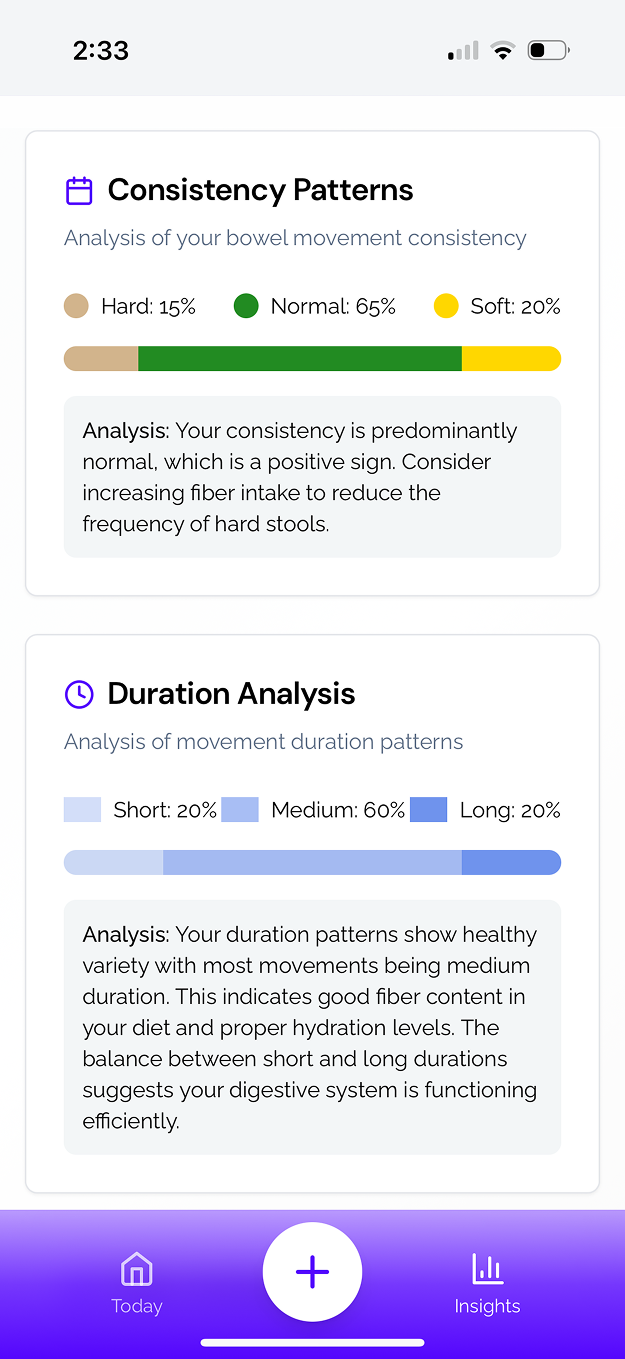
Real gut health optimization means understanding how your particular bacterial community responds to specific foods and habits. That takes objective data rather than guesswork, which is exactly the gap that at-home biome tracking is being built to close.
Start with one factor from this list. Not all fifteen. The one that made you wince a little while reading.
Frequently Asked Questions
Can gut bacteria really make it harder to lose weight?
Yes. In a supervised NIH energy balance study, a 20 percent increase in Firmicutes with a matching drop in Bacteroidetes was associated with roughly 150 kcal per day of additional energy harvested from the same food. Gut bacteria also influence satiety signalling and low grade inflammation. This does not mean weight is out of your control, but calories alone are an incomplete picture.
How do I know if my gut microbiome is sabotaging my weight loss?
Common signals include persistent bloating, irregular bowel patterns, intense sugar cravings, fatigue after meals, and a stalled scale despite consistent effort. None of these is diagnostic on its own. Together they suggest gut health is worth investigating, ideally with objective at-home monitoring rather than symptom guesswork.
Does gut bacteria affect weight gain even if I eat the same as my friend?
It can. Turnbaugh and colleagues showed in 2006 that transferring an obese microbiota into germ free mice produced significantly greater fat gain than a lean microbiota, on identical food. In humans, measured differences in energy harvest run to roughly 150 kcal per day with a 20 percent shift in the dominant phyla.
How long does it take to improve gut microbiome diversity?
Digestive comfort often improves within two to four weeks of consistent dietary change. Gene richness rose measurably over six weeks of an energy restricted, high protein, high fibre diet in low richness individuals in the 2013 Cotillard trial. Broader stability takes months, and antibiotic history, stress and sleep all affect the pace.
What is the single most effective change for gut bacteria and weight gain?
Increasing plant food diversity has the widest evidence base. In 1,632 twins followed over about nine years, higher microbiome diversity and higher fibre intake were each independently associated with lower long term weight gain, after adjusting for calories. Aim for 30 or more different plant foods weekly.
Do I need to fix all 15 factors at once?
No, and attempting it usually backfires. Pick the one factor with the clearest relevance to your life, whether that is sleep, alcohol, late night eating, or fiber diversity, and work on it for four to six weeks. Sequential changes are easier to sustain and far easier to evaluate.
How much extra energy do gut bacteria actually harvest?
The best human number comes from a supervised feeding study using bomb calorimetry on stool: a 20 percent increase in Firmicutes with a corresponding Bacteroidetes decrease tracked with roughly 150 kcal per day of additional energy harvest in lean participants. A separate metabolic ward trial found a fiber rich diet caused 116 kcal more to be lost in feces daily than a matched Western diet.
References
- Jumpertz R, Le DS, Turnbaugh PJ, et al. Energy-balance studies reveal associations between gut microbes, caloric load, and nutrient absorption in humans. The American Journal of Clinical Nutrition. 2011;94(1):58-65. doi:10.3945/ajcn.110.010132
- Turnbaugh PJ, et al. An obesity-associated gut microbiome with increased capacity for energy harvest. Nature. 2006;444(7122):1027-1031. doi:10.1038/nature05414
- Menni C, Jackson MA, Pallister T, et al. Gut microbiome diversity and high-fibre intake are related to lower long-term weight gain. International Journal of Obesity. 2017;41(7):1099-1105. doi:10.1038/ijo.2017.66
- Le Chatelier E, Nielsen T, Qin J, et al. Richness of human gut microbiome correlates with metabolic markers. Nature. 2013;500(7464):541-546. doi:10.1038/nature12506
- Cotillard A, Kennedy SP, Kong LC, et al. Dietary intervention impact on gut microbial gene richness. Nature. 2013;500(7464):585-588. doi:10.1038/nature12480
- Koliada A, et al. Association between body mass index and Firmicutes/Bacteroidetes ratio in an adult Ukrainian population. BMC Microbiology. 2017;17(1):120. doi:10.1186/s12866-017-1027-1
- Suez J, Korem T, Zeevi D, et al. Artificial sweeteners induce glucose intolerance by altering the gut microbiota. Nature. 2014;514(7521):181-186. doi:10.1038/nature13793
- Thaiss CA, Zeevi D, Levy M, et al. Transkingdom Control of Microbiota Diurnal Oscillations Promotes Metabolic Homeostasis. Cell. 2014;159(3):514-529. doi:10.1016/j.cell.2014.09.048
- Sun J, et al. Sleep Deprivation and Gut Microbiota Dysbiosis: Current Understandings and Implications. International Journal of Molecular Sciences. 2023;24(11):9603. doi:10.3390/ijms24119603
- Madison A, Kiecolt-Glaser JK. Stress, depression, diet, and the gut microbiota: human-bacteria interactions at the core of psychoneuroimmunology and nutrition. Current Opinion in Behavioral Sciences. 2019;28:105-110. doi:10.1016/j.cobeha.2019.01.011
- Kiecolt-Glaser JK, et al. Daily Stressors, Past Depression, and Metabolic Responses to High-Fat Meals: A Novel Path to Obesity. Biological Psychiatry. 2015;77(7):653-660. doi:10.1016/j.biopsych.2014.05.018
- Lane MM, et al. Ultra-processed food exposure and adverse health outcomes: umbrella review of epidemiological meta-analyses. BMJ. 2024;384:e077310. doi:10.1136/bmj-2023-077310
- Leong KSW, et al. Antibiotics, gut microbiome and obesity. Clinical Endocrinology. 2018;88(2):185-200. doi:10.1111/cen.13495
- Suez J, Zmora N, Zilberman-Schapira G, et al. Post-Antibiotic Gut Mucosal Microbiome Reconstitution Is Impaired by Probiotics and Improved by Autologous FMT. Cell. 2018;174(6):1406-1423.e16. doi:10.1016/j.cell.2018.08.047
- Engen PA, et al. The Gastrointestinal Microbiome: Alcohol Effects on the Composition of Intestinal Microbiota. Alcohol Research: Current Reviews. 2015;37(2):223-236. doi:10.35946/arcr.v37.2.07
- Ni Y, et al. Late-Night Eating-Induced Physiological Dysregulation and Circadian Misalignment Are Accompanied by Microbial Dysbiosis. Molecular Nutrition & Food Research. 2019;63(24):1900867. doi:10.1002/mnfr.201900867
- Zarrinpar A, et al. Diet and Feeding Pattern Affect the Diurnal Dynamics of the Gut Microbiome. Cell Metabolism. 2014;20(6):1006-1017. doi:10.1016/j.cmet.2014.11.008
- Dao MC, Everard A, Aron-Wisnewsky J, et al. Akkermansia muciniphila and improved metabolic health during a dietary intervention in obesity: relationship with gut microbiome richness and ecology. Gut. 2016;65(3):426-436. doi:10.1136/gutjnl-2014-308778
- Everard A, Belzer C, Geurts L, et al. Cross-talk between Akkermansia muciniphila and intestinal epithelium controls diet-induced obesity. Proceedings of the National Academy of Sciences. 2013;110(22):9066-9071. doi:10.1073/pnas.1219451110
- Chambers ES, Viardot A, Psichas A, et al. Effects of targeted delivery of propionate to the human colon on appetite regulation, body weight maintenance and adiposity in overweight adults. Gut. 2015;64(11):1744-1754. doi:10.1136/gutjnl-2014-307913
- Cani PD, et al. Metabolic Endotoxemia Initiates Obesity and Insulin Resistance. Diabetes. 2007;56(7):1761-1772. doi:10.2337/db06-1491
- Ott B, et al. Effect of caloric restriction on gut permeability, inflammation markers, and fecal microbiota in obese women. Scientific Reports. 2017;7:11955. doi:10.1038/s41598-017-12109-9
- Corbin KD, et al. Host-diet-gut microbiome interactions influence human energy balance: a randomized clinical trial. Nature Communications. 2023;14:3161. doi:10.1038/s41467-023-38778-x
SNIFR is designed to provide insights about gut health patterns, not to diagnose or treat medical conditions. Individual results may vary as gut health is influenced by numerous factors including diet, stress, sleep, and genetics. SNIFR is currently in development, and features described may evolve before commercial release.
Other Posts



Be first to try SNIFR. Beta coming soon.
Join our waitlist to get notified when the app launches. Start understanding your gut health sooner.