
Hidden Food Triggers Standard Sensitivity Tests Miss
Histamine, FODMAPs, lectins and enzyme gaps cause real symptoms no food sensitivity blood test can see. Learn the mechanisms, the thresholds and how to find yours.
You have spent real money on food sensitivity testing. You have eliminated the thirty-odd foods the report flagged. And you are still bloated after meals, still foggy in the afternoon, still wondering why your gut seems to be working against you.
Here is the part nobody mentions when they hand you the multipage report. Most of those panels are measuring something other than what you think, and several of the most common food reactions do not involve antibodies at all.
Let's go through what is actually happening when your body objects to a food, and why the tools that find those triggers are not blood tests.
The Problem with IgG Food Sensitivity Panels
Walk into almost any wellness clinic and you can buy an IgG food panel. It looks scientific. It produces an impressive report. And three separate allergy organisations have published position statements explaining why it does not do what it appears to do.
The EAACI Task Force concluded that testing for food-specific IgG4 is not recommended as a diagnostic tool, on three grounds: positive IgG4 results occur commonly in people with no corresponding symptoms, there is no convincing evidence that IgG4 has histamine-releasing properties in humans, and no controlled study has established a diagnostic value for it (Stapel et al., Allergy, 2008). The AAAAI formally endorsed that position in the Journal of Allergy and Clinical Immunology in 2010 and describes food-specific IgG as a normal immune response to foods you have eaten. The CSACI position statement states the same conclusion for Canadian practice and warns explicitly that acting on these results risks unnecessary dietary restriction (Carr et al., Allergy, Asthma and Clinical Immunology, 2012).
The mechanism explains the absurdity. Eat eggs, wheat, or dairy regularly and your body produces IgG to them. That is a marker of exposure and immune memory, not reactivity. Which produces a genuinely perverse result: the foods you eat most often are the ones most likely to appear "positive", whether or not they cause you any trouble at all.
Reproducibility is the other problem, and it has been demonstrated directly. A CBC Marketplace investigation sent one person's blood sample to two Canadian laboratories selling IgG panels, Dynacare and Rocky Mountain Analytical. One report identified 30 food intolerances. The other identified 52. The overlap was minimal, and many of the flagged foods were eaten routinely with no symptoms. A test measuring something real and stable would not behave that way.
The best-known trial supporting IgG-guided elimination is also the most often overstated. Atkinson and colleagues randomised 150 people with IBS to a true IgG-guided exclusion diet or a sham diet excluding the same number of foods (Atkinson et al., Gut, 2004). The true diet did somewhat better, but a commentary in the same journal argued the design could not exclude much simpler explanations, such as the incidental removal of fermentable carbohydrates (Hunter, Gut, 2005). One suggestive trial from 2004 does not outweigh three position statements.
The bottom line across professional bodies in Europe and North America is the same. There is currently no validated blood test that reliably identifies food sensitivities or intolerances. Not IgG, not IgG4, not the direct-to-consumer panels marketed as revealing hidden food allergies.
What about IgE testing?
IgE testing is a completely different matter and it is valid, but it is answering a different question. IgE antibodies are associated with true food allergy: reactions that can involve hives, swelling, difficulty breathing, and anaphylaxis, usually within minutes to two hours. IgE testing, performed and interpreted by an allergist, is the appropriate tool for diagnosing that. Even then it is interpreted rather than read out: the 2023 EAACI diagnostic guidelines describe skin prick testing and specific IgE as sensitive but not specific, which is why the supervised oral food challenge remains the reference standard (Santos et al., Allergy, 2023).
If your symptoms are bloating, fatigue, or brain fog appearing hours or days after eating, IgE testing will not find them either. Different mechanism, different tools.
The Triggers No Antibody Test Can See
This is where it gets interesting, because many of the most common food reactions run through pathways that have nothing to do with antibodies.
Histamine
Histamine occurs naturally in many foods and is also released by your own cells. Some foods are high in it, particularly aged, cured, fermented, and leftover proteins. Others prompt histamine release. When the enzyme diamine oxidase (DAO) is in short supply, histamine accumulates faster than it clears, and the result can be headaches, flushing, hives, digestive upset, anxiety-like symptoms, and palpitations.
Clearance capacity is partly genetic. In a 2024 pilot study of people with symptoms of histamine intolerance, 79 percent carried at least one of four single-nucleotide variants in the AOC1 gene associated with reduced DAO activity (Duelo et al., Nutrients, 2024). Your gut bacteria contribute from the other direction: a systematic screen of 36,554 bacterial genomes identified 117 putative histamine-secreting species in the human gut, significantly enriched in people with inflammatory bowel disease (Mou et al., BMC Genomics, 2021).
An IgG panel will not show any of this. You can test entirely negative for aged cheese while that cheese reliably produces a migraine. The issue is enzymatic and microbial capacity, not antibodies.
One caution about the food lists you will find online. A 2021 review in Nutrients compared ten published low-histamine diets against measured histamine content and found that only 32 percent of the excluded foods actually had high histamine levels. Most excluded foods contained under 1 mg/kg. Only fermented foods were excluded unanimously across all ten protocols (Sánchez-Pérez et al., Nutrients, 2021). Treat the standard list as a starting hypothesis, not a fact.
FODMAPs
FODMAPs are fermentable oligosaccharides, disaccharides, monosaccharides, and polyols: carbohydrates that some people absorb poorly. What is not absorbed in the small intestine reaches the colon intact, where bacteria ferment it, producing gas, distension, cramping, and changes in bowel habit.
This is a question of digestive and absorptive capacity, not immunity. You can eat wheat daily, test negative for wheat on any antibody panel, and still react strongly to the fructans in it.
It is also a dose question rather than a yes-or-no one, which is why the Monash University FODMAP programme defines high-FODMAP status by measured content per serve rather than by food identity. The cutoffs are 0.3 g of fructans or galacto-oligosaccharides, 0.15 g of fructose in excess of glucose, and 0.2 g of mannitol or sorbitol. That is why 3 g of garlic and 75 g of Brussels sprouts both count as high in fructans, and why portion is often the entire story.
Lectins
Lectins are carbohydrate-binding proteins found in beans, legumes, grains, and nightshades. In susceptible people they have been investigated for effects on the gut lining, immune signaling, and mast cell activity, though the clinical significance varies enormously between individuals and the research is far from settled.
What matters practically is that preparation changes everything. Soaking, sprouting, fermenting, and pressure cooking substantially reduce lectin content, which is why someone may react to one preparation of beans and tolerate another. No antibody test captures that nuance.
Oxalates
Oxalates are naturally occurring plant compounds that pass through most people uneventfully. For a minority, often in the context of gut dysbiosis or compromised kidney function, higher intakes are associated with mineral binding, crystal formation, and symptoms including joint and urinary discomfort. Spinach and Swiss chard are the standouts, along with almonds, sweet potatoes, beets, rhubarb, cocoa, tea, and wheat bran. A daily spinach smoothie can be a problem for the exact person whose antibody panel is completely clean.
Enzyme shortfalls
Sometimes the answer is simply that the enzyme is not there. Lactose intolerance is the classic case. Lactase non-persistence is in fact the ancestral human condition, and continued lactase production into adulthood is the genetic exception, mediated in European populations by a single polymorphism upstream of the LCT gene (Misselwitz et al., Gut, 2019). Undigested lactose reaches the colon and ferments. That is biology, not immunology, and no IgG test will find it. The same applies to sucrase-isomaltase deficiency, fructose malabsorption, and DAO insufficiency.
Salicylates, additives, and preservatives
Salicylates occur naturally across fruits, vegetables, herbs, spices, tea, coffee, and wine, and a subset of people react to them. Reactions to additives such as sulfites, certain colourings, and preservatives run through varied mechanisms. None of these involve IgG.
The hidden triggers, side by side
Laid out together, the pattern is obvious: every one of these runs through a mechanism an antibody assay is structurally incapable of seeing.
| Trigger | Mechanism | Why an IgG panel misses it | Common food sources | How it is actually identified |
|---|---|---|---|---|
| Histamine | Dietary and bacterial histamine exceeding DAO clearance capacity | No antibody is involved; the limit is enzymatic and microbial | Aged cheese, cured meat, fermented foods, leftovers, wine and beer, vinegar, tomato, spinach, eggplant, citrus, strawberries, chocolate | Supervised low-histamine trial with symptom mapping; allergist review to exclude IgE allergy |
| FODMAPs | Malabsorbed fermentable carbohydrates fermented in the colon | Absorptive capacity, not immunity; strictly dose-dependent | Wheat, rye, barley, onion, garlic, legumes, apples, pears, cauliflower, mushrooms, asparagus, lactose-containing dairy, sugar alcohols | Dietitian-led three-phase low FODMAP protocol; lactose and fructose breath testing |
| Lectins | Carbohydrate-binding plant proteins, investigated for effects on gut lining and mast cells | Effect is preparation-dependent and highly individual | Raw or undercooked beans and legumes, whole grains, nightshades, peanuts, cashews, soy, corn | Trial of preparation changes: soaking, sprouting, fermenting, pressure cooking |
| Oxalates | Mineral binding and crystal formation, relevant in dysbiosis or renal compromise | Chemical binding, no immune involvement | Spinach, Swiss chard, almonds, cashews, sweet potato, beets, rhubarb, cocoa, tea, wheat bran | Targeted reduction under clinical supervision; renal assessment where indicated |
| Enzyme shortfalls | Insufficient lactase, sucrase-isomaltase, or fructose transport | Missing enzyme, not misdirected antibody | Milk and fresh dairy, table sugar and starches, high-fructose fruits and syrups | Physician-ordered hydrogen and methane breath testing |
| Salicylates | Non-IgE pharmacological sensitivity | Different pathway entirely from antibody production | Most fruits especially berries, many vegetables, herbs and spices, tea, coffee, wine | Supervised elimination and challenge with a dietitian |
| Additives and preservatives | Varied: direct effects, histamine release, other inflammatory pathways | Not protein antigens in the way panels assume | Sulfites, MSG, artificial colourings, BHA and BHT, some artificial sweeteners | Label-led elimination and structured challenge |
The Total Load Effect
Here is what makes real life messier than any list. Most people who react to food do not have exactly one type of sensitivity. They have several, and those combine.
Picture mild histamine intolerance sitting alongside some FODMAP sensitivity. A meal containing both high-FODMAP and high-histamine components produces a much larger response than either would separately. Eat them apart, with some spacing, and both may be perfectly manageable.
That is the total load concept. Your body has a threshold, and it is your cumulative burden that crosses it: the leftover protein, the fermentable vegetables, the demanding week, the poor sleep. This is exactly why one-mechanism testing falls short when your body is responding through four or five mechanisms at once.
Hypothetical scenario. As an illustrative scenario, imagine someone whose reactions look completely random. Lasagne on a Friday is fine. The same lasagne, reheated on Sunday after a bad week of sleep, produces a headache, flushing and four hours of bloating. Nothing in the food changed except its age, and histamine accumulates in stored protein. Layered on top were the fructans in the onion and garlic in the sauce, which are dose-limited rather than forbidden under the Monash thresholds, and a stress-heavy week. No single ingredient was the culprit. The cumulative load crossed a threshold that a fresh portion on a rested day sits comfortably below. This is a constructed example illustrating the mechanisms described above, not a real client.
What Actually Works: Structured Observation
If blood tests cannot identify your triggers, the alternative is not exotic. It is a carefully structured elimination and reintroduction process paired with detailed tracking, ideally supervised by a registered dietitian.
Phase 1: baseline, about one week
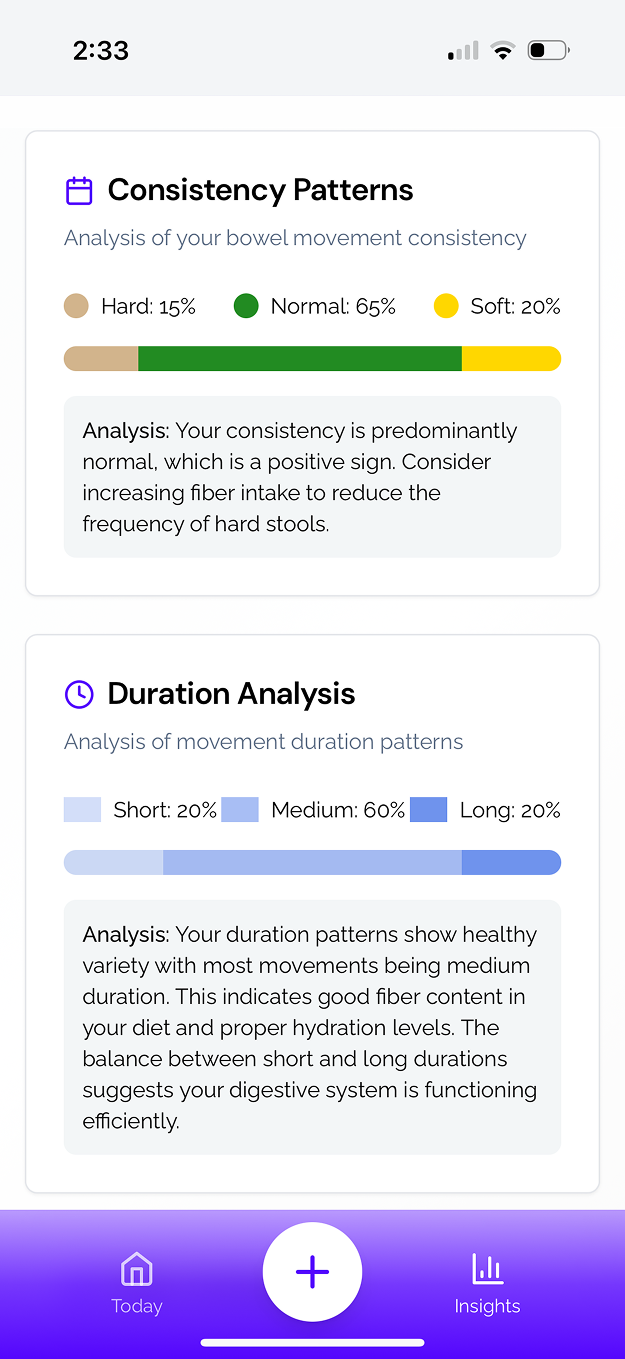
Before changing anything, record everything: foods, portions, preparation methods, symptoms and their severity and timing, bowel movements using the Bristol Stool Scale, sleep, stress, activity, and menstrual cycle where relevant. You cannot detect a change without knowing your starting point.
Phase 2: targeted elimination, two to six weeks
Rather than removing everything, choose the category that matches your symptom picture. Low FODMAP for gas, bloating, and bowel changes. Low histamine for headaches, flushing, and systemic symptoms. Low oxalate or reduced lectin approaches where the pattern points that way. A broad multi-category elimination should be a supervised decision, not a solo one, because of the nutritional risk. Keep tracking throughout.
Phase 3: reintroduction, six to twelve weeks
This is the phase most people rush or skip, and it is the one that produces the answers. Reintroduce one food at a time with at least three to five days between them, because some reactions are delayed by a day or two. Eat a normal serving, track for seventy-two hours, and if nothing happens, repeat it to confirm.
Reintroduction teaches you nuance that no test provides: not just what you react to, but how much, in what form, and under what conditions. The formal FODMAP evidence shows exactly this pattern. In a 2024 blinded randomized reintroduction trial, people who responded to elimination reacted to an average of 2.5 FODMAP subtypes each, not to the whole category (Van den Houte et al., Gastroenterology, 2024).
Phase 4: personalization, ongoing
You end with a sustainable pattern that avoids confirmed triggers, includes everything tolerated, meets your nutritional needs, and leaves room for flexibility. And because tolerance is not necessarily permanent, it is worth revisiting foods periodically as gut health improves.
Where Tracking Technology Helps
The honest limitation of the elimination approach is that it demands meticulous manual record keeping, which most people cannot sustain for months.
This is where tools earn their place. Standardized one-tap logging of bowel movements and symptoms, food tagging without typing out ingredients, automatic pattern analysis, and visual trends over time all lower the effort required to keep going. An eighteen-hour delayed reaction to something eaten yesterday afternoon is exactly the sort of pattern a human brain drops and a log catches.
Emerging at-home monitoring goes a step further by observing the gut's own chemical output passively rather than relying on you to remember anything. These are pattern-recognition tools for gut health optimization rather than diagnostic devices, and they complement the elimination protocol rather than replacing it. Our overview of food sensitivity detection through advanced gut health tracking sets out how the pieces fit together.
Context Changes Everything
Your reactions do not happen in a vacuum. Several factors shift daily.
- Microbiome composition. A diverse community handles fermentable carbohydrates differently from a depleted one, which is why the same food can suit one person and not another. In the 2015 Cell study of 800 people across 46,898 meals, responses to identical meals varied widely enough that the authors concluded universal dietary advice has limited utility (Zeevi et al., Cell, 2015).
- Stress and sleep. Both influence enzyme output, motility, barrier function, and immune reactivity. Controlled human work has shown that acute psychological stress increases small intestinal permeability through a mast cell-dependent mechanism (Vanuytsel et al., Gut, 2014). You may handle dairy comfortably on a calm weekend and react to it during a hard week. The dairy did not change.
- Hormonal fluctuation. Across the menstrual cycle, motility, histamine handling, and inflammatory tone all shift. Estrogen in particular influences DAO activity. Many women notice their tolerance moves with their cycle. That is physiology, not inconsistency.
- Medications. Antibiotics reshape the microbiome, NSAIDs affect the gut lining, acid-suppressing drugs alter protein digestion, and some medications interfere with DAO activity.
- Exercise intensity. Moderate activity supports digestion. Very intense sessions temporarily redirect blood flow away from the gut and can provoke reactions to otherwise fine foods.
- Timing and combinations. Late meals, large fluid volumes with food, and particular pairings all change the outcome.
When to Bring in a Professional
Work with a registered dietitian or physician if you are considering removing multiple food groups, have any history of disordered eating, are pregnant, breastfeeding, or feeding a child, are managing a diagnosed condition, or have tried elimination without success.
See a physician promptly for blood in the stool, unintentional weight loss, severe abdominal pain, difficulty swallowing, persistent vomiting, or signs of nutrient deficiency. These warrant investigation for conditions that food tracking will not address, including celiac disease and inflammatory bowel disease.
The Bottom Line
The panels marketed to you measure antibodies that indicate exposure, not intolerance, which is why EAACI, AAAAI and CSACI have all published against them. They cannot see histamine handling, FODMAP absorption, lectin or oxalate responses, enzyme shortfalls, or the way these stack on top of one another.
Your reactions depend on what you ate, how much of it, how it was prepared, what it was eaten with, your stress, your sleep, your hormones, your bacterial balance, and a dozen other things that move daily. No single blood draw captures that.
What works is unglamorous and effective: patient observation, targeted elimination, careful reintroduction, and attention to context. Your gut has been trying to tell you something. It is worth listening to it directly rather than asking a lab to translate.
Frequently Asked Questions
Why do my food sensitivity test results keep changing?
Because IgG panels measure antibodies reflecting what you eat regularly rather than what causes symptoms. A CBC Marketplace investigation sent one person's blood to two laboratories: one flagged 30 foods, the other 52, with minimal overlap. A test measuring something stable would not vary that way, which is why EAACI, AAAAI and CSACI all advise against them.
What food triggers do standard sensitivity tests miss?
Antibody panels cannot detect histamine intolerance, FODMAP malabsorption, lectin or oxalate reactions, enzyme shortfalls such as lactase or DAO insufficiency, salicylate sensitivity, or additive reactions. These run through enzymatic, fermentative, and other non-IgG pathways, so a completely clean panel is entirely compatible with real, reproducible symptoms.
How much of a food makes it high FODMAP?
Monash University defines high FODMAP by measured content per serve, not by food identity: 0.3 g of fructans or galacto-oligosaccharides, 0.15 g of fructose in excess of glucose, or 0.2 g of mannitol or sorbitol. That is why 3 g of garlic and 75 g of Brussels sprouts both qualify, and why portion size is frequently the whole story.
How to identify food sensitivities without a blood test?
Track everything for a week to establish a baseline, then run a targeted elimination matched to your symptom pattern for two to six weeks, then reintroduce one food at a time with three to five days between each. Track for seventy-two hours after each reintroduction, since some reactions are delayed by a day or more.
Can I react to a food one week and not the next?
Yes, and it is common. Stress, sleep, hormonal phase, medications, exercise intensity, and what else was on the plate all change how much your system can handle. Controlled work has shown acute psychological stress raises small intestinal permeability. This is the total load effect: your cumulative burden crosses the threshold, not any single food.
Does preparation method change whether I react to a food?
Often substantially. Soaking, sprouting, fermenting, and pressure cooking reduce lectin content, cooking alters oxalate and FODMAP behaviour, histamine accumulates in stored and reheated protein, and fermented dairy behaves differently from fresh. This is one reason reintroduction is so valuable: it reveals not just which foods are difficult but in which form and at what portion size.
References
- Stapel SO, Asero R, Ballmer-Weber BK, et al. Testing for IgG4 against foods is not recommended as a diagnostic tool: EAACI Task Force Report. Allergy. 2008;63(7):793-796. doi:10.1111/j.1398-9995.2008.01705.x
- Bock SA. AAAAI support of the EAACI Position Paper on IgG4. Journal of Allergy and Clinical Immunology. 2010;125(6):1410.
- Carr S, Chan E, Lavine E, Moote W. CSACI position statement on the testing of food-specific IgG. Allergy, Asthma and Clinical Immunology. 2012;8(1):12. doi:10.1186/1710-1492-8-12
- Atkinson W, Sheldon TA, Shaath N, Whorwell PJ. Food elimination based on IgG antibodies in irritable bowel syndrome: a randomised controlled trial. Gut. 2004;53(10):1459-1464. doi:10.1136/gut.2003.037697
- Hunter JO. Food elimination in IBS: the case for IgG testing remains doubtful. Gut. 2005;54(8):1203.
- Santos AF, Riggioni C, Agache I, et al. EAACI guidelines on the diagnosis of IgE-mediated food allergy. Allergy. 2023;78(12):3057-3076. doi:10.1111/all.15902
- Duelo A, Comas-Basté O, Sánchez-Pérez S, et al. Pilot study on the prevalence of diamine oxidase gene variants in patients with symptoms of histamine intolerance. Nutrients. 2024;16(8):1142. doi:10.3390/nu16081142
- Mou Z, Yang Y, Hall AB, Jiang X. The taxonomic distribution of histamine-secreting bacteria in the human gut microbiome. BMC Genomics. 2021;22(1):695. doi:10.1186/s12864-021-08004-3
- Sánchez-Pérez S, Comas-Basté O, Veciana-Nogués MT, Latorre-Moratalla ML, Vidal-Carou MC. Low-histamine diets: is the exclusion of foods justified by their histamine content? Nutrients. 2021;13(5):1395. doi:10.3390/nu13051395
- Misselwitz B, Butter M, Verbeke K, Fox MR. Update on lactose malabsorption and intolerance: pathogenesis, diagnosis and clinical management. Gut. 2019;68(11):2080-2091. doi:10.1136/gutjnl-2019-318404
- Van den Houte K, Colomier E, Routhiaux K, et al. Efficacy and findings of a blinded randomized reintroduction phase for the low FODMAP diet in irritable bowel syndrome. Gastroenterology. 2024;167(2):333-342. doi:10.1053/j.gastro.2024.02.008
- Zeevi D, Korem T, Zmora N, et al. Personalized nutrition by prediction of glycemic responses. Cell. 2015;163(5):1079-1094. doi:10.1016/j.cell.2015.11.001
- Vanuytsel T, van Wanrooy S, Vanheel H, et al. Psychological stress and corticotropin-releasing hormone increase intestinal permeability in humans by a mast cell-dependent mechanism. Gut. 2014;63(8):1293-1299. doi:10.1136/gutjnl-2013-305690
- Simon MC, Sina C, Ferrario PG, Daniel H. Gut microbiome analysis for personalized nutrition: the state of science. Molecular Nutrition and Food Research. 2023;67(1):e2200476. doi:10.1002/mnfr.202200476
- Monash University. FODMAP food cutoff values and the low FODMAP diet. Department of Gastroenterology, Monash University.
- CBC Marketplace. There is no validity: unproven blood tests for food sensitivity widely offered in Canada. CBC News, 2018.
- Academy of Nutrition and Dietetics. Are food sensitivity tests accurate?
- McGill University Office for Science and Society. No tolerance for IgG food intolerance tests.
SNIFR is designed to provide insights about gut health patterns, not to diagnose or treat medical conditions. Individual results may vary as gut health is influenced by numerous factors including diet, stress, sleep, and genetics. SNIFR is currently in development, and features described may evolve before commercial release.
Other Posts



Be first to try SNIFR. Beta coming soon.
Join our waitlist to get notified when the app launches. Start understanding your gut health sooner.