
How Healthy Gut Bacteria Control Appetite and Cravings
How healthy gut bacteria shape appetite and cravings through hunger hormones, the gut-brain axis, and short chain fatty acids, plus what to change first.

You just finished a genuinely balanced dinner. Protein, vegetables, healthy fats. You should feel done. Instead, forty five minutes later you are standing in front of the refrigerator wanting something sweet, for no reason you can name.
Here is what I have learned from working with over 2,000 clients on sustainable weight management: that pull toward sugar is usually not a character flaw. It may be your healthy gut bacteria, or the shortage of them, placing an order.
After eight years in practice, I can tell you the conversation about appetite has genuinely shifted. We used to treat appetite control as a purely cognitive matter, a question of discipline. Recent research points somewhere more interesting: your gut microbiome runs a sophisticated chemical messaging system that influences what you crave, when you feel hungry, and how satisfied you feel after eating.
Let's look at the mechanisms, and then at what you can actually do about them.
The Gut Brain Axis: Your Internal Communication Highway
Your gut and brain are in constant conversation through what researchers call the gut brain axis. This bidirectional system involves neural pathways, immune signaling, and hormonal messengers traveling between your digestive tract and central nervous system.
The research is clear, but let me explain what it means for your daily life. Roughly 90 percent of your body's serotonin is produced in the gut rather than the brain, and specific indigenous spore forming bacteria were shown to promote that serotonin biosynthesis in enterochromaffin cells, with germ free mice showing about 60 percent lower colon and serum serotonin until they were colonized (Yano et al., Cell, 2015).
Think of your gut microbiome as a densely populated city. Some residents thrive on fiber. Others prefer fats or proteins. And yes, certain species are enthusiastic about sugar. These communities do not passively wait for food to arrive. They send signals that shape what shows up next.
A 2024 review in Gut Microbes catalogued the mechanisms: intestinal microorganisms contribute to appetite regulation by modulating nutritional perception, neural signal transmission, and hormone secretion (Yu et al., Gut Microbes, 2024). A companion review in Microbiome mapped the specific metabolites doing the work, including short chain fatty acids, bile acids, and amino acid derivatives such as indole and tryptophan products (Han et al., Microbiome, 2021).
How Gut Bacteria Influence Your Hunger Hormones
Your appetite is not a single switch. It is a network of hormones, and your gut bacteria influence nearly every player in it.
GLP-1: Your Natural Satiety Signal
If you have heard of medications like semaglutide, you already know about GLP-1, the appetite suppressing hormone. What most people do not realize is that your body produces GLP-1 naturally, and your gut bacteria help regulate that production.
GLP-1 (glucagon-like peptide-1) is secreted by specialized L-cells in your intestines. Working properly, it signals fullness to your brain, slows gastric emptying so satisfaction lasts longer, and helps regulate blood sugar after meals.
The causal link runs through short chain fatty acids. When 10 g of inulin propionate ester was given to deliver propionate directly to the colon, postprandial plasma PYY and GLP-1 both rose significantly and participants ate less at a subsequent meal (Chambers et al., Gut, 2015). That is bacterial fermentation output changing a hormone and then changing behaviour, measured in humans.
Ghrelin: Your Hunger Hormone
Ghrelin, produced primarily in the stomach, signals your brain that it is time to eat. Gut microbiota derived metabolites influence ghrelin secretion alongside GLP-1 and PYY, and prebiotic fermentable fibres have been reported to lower ghrelin while raising GLP-1 (Han et al., Microbiome, 2021).
PYY and Leptin: The Longer Arc
Peptide YY (PYY) is released after meals and contributes to lasting satiety. Leptin, produced by fat tissue, regulates longer term energy balance. Both are influenced by bacterial activity. Bariatric surgery patients show markedly increased postprandial GLP-1 and PYY, which is thought to explain a large part of their sustained appetite suppression (De Silva and Bloom, Gut and Liver, 2012).
The Hormones, the Bacteria and the Lever
| Hormone | Direction | Where it comes from | Microbial input | Practical lever |
|---|---|---|---|---|
| GLP-1 | Suppresses appetite | Intestinal L-cells | SCFAs from fibre fermentation; colonic propionate raised it acutely (Chambers 2015) | Fermentable fibre, resistant starch |
| PYY | Suppresses appetite | Intestinal L-cells | Same SCFA pathway; rose with 10 g colonic propionate | Fermentable fibre, legumes, oats |
| Ghrelin | Stimulates appetite | Stomach | Modulated by microbial metabolites; lowered by prebiotic fibre (Han 2021) | Prebiotic fibre, consistent meal timing |
| Leptin | Long term energy balance | Adipose tissue | SCFA receptor signalling influences secretion | Fibre diversity, sleep, weight stability |
| Serotonin | Mood and satiety context | ~90% gut enterochromaffin cells | Spore forming bacteria promote biosynthesis (Yano 2015) | Diverse plant intake, fermented foods |
| FGF21 | Reduces sugar preference | Liver, downstream of GLP-1 | B. vulgatus pantothenate to GLP-1 to FGF21 pathway (Zhang 2025) | Support Bacteroides populations with fibre |
The Sugar Craving Connection
A 2025 study in Nature Microbiology connected specific gut bacteria to sugar preference. Researchers found that expression of the free fatty acid receptor Ffar4 is decreased in patients and mouse models with diabetes, and that deleting intestinal Ffar4 in mice reduced gut Bacteroides vulgatus and its metabolite pantothenate, which drove increased dietary sugar preference (Zhang et al., Nature Microbiology, 2025).
The mechanism runs in a chain. B. vulgatus produces pantothenate (vitamin B5), which promotes GLP-1 secretion. GLP-1 stimulates hepatic FGF21 release, and FGF21 acts on the brain to suppress sugar preference. When B. vulgatus is depleted, the chain breaks and sugar preference rises.
Supplementing pantothenate or restoring B. vulgatus normalized sugar preference in the mouse models, which is why the authors proposed the pathway as a therapeutic target.
But here is the thing that changes the conversation: this is early stage research in a fast moving field, largely in animal models, not a prescription. What it does establish is that cravings have a measurable biological substrate. That alone should retire the willpower framing.
The Short Chain Fatty Acid Pathway
If I had to point to one mechanism connecting gut health optimization to sustainable weight management, it would be short chain fatty acid production.
When beneficial gut bacteria ferment dietary fiber, they produce three primary short chain fatty acids: acetate, propionate, and butyrate. These are not bacterial waste products. They are signaling compounds that influence metabolism, inflammation, and appetite throughout the body.
Butyrate, the most studied of the three, fuels the cells lining your gut, helps reduce inflammation, and contributes to GLP-1 and PYY release. Propionate and acetate activate free fatty acid receptors that influence leptin production.
Here is the elegant part of the system. You eat fiber. Beneficial bacteria ferment that fiber into short chain fatty acids. Those compounds trigger hormone release that tells your brain you are satisfied. The 24 week propionate trial showed this is not just theory: 10 g per day of inulin propionate ester significantly reduced weight gain and intra abdominal adipose tissue compared with an equal dose of inulin alone (Chambers et al., Gut, 2015).
The catch is that most adults in the United States consume well under the 25 to 35 grams of fiber daily that better supports this pathway. That is not a moral failing, it is a food supply issue. But it is fixable.
Practical Strategies for Appetite Control Through Gut Health
Understanding the science is one thing. Here is what I actually want you to try over the coming weeks.
Feed Your Beneficial Bacteria First
Before reaching for supplements, focus on feeding the bacteria you already have. Prebiotic fibers are the non digestible components that selectively nourish appetite regulating species.
- Garlic, onions, and leeks, as tolerated
- Asparagus and Jerusalem artichokes
- Slightly green bananas
- Oats and barley
- Apples and berries
- Chicory root and dandelion greens
Increase gradually, in roughly 5 g weekly increments, with water. Jumping from 15 g to 35 g in a week is the single most common reason people decide fibre does not agree with them.
Hypothetical scenario. Consider a hypothetical case: someone who starts with one modest change rather than an overhaul, adding a sliced slightly green banana and a tablespoon of ground flaxseed to breakfast. That combination supplies resistant starch and both soluble and insoluble fibre, which is exactly the substrate the SCFA pathway above depends on. Based on the mechanism Chambers and colleagues demonstrated, the plausible effect is a modest increase in colonic propionate and butyrate production and therefore in postprandial GLP-1 and PYY signalling. Whether that registers subjectively as fewer mid morning cravings varies considerably between individuals, and the timeline in the literature is weeks rather than days.
Diversify Your Fiber Sources
Different beneficial bacteria prefer different fibers. In 1,632 twins followed over roughly nine years, higher microbiome diversity and higher fibre intake were each independently associated with lower long term weight gain (Menni et al., International Journal of Obesity, 2017). Variety and volume are separate levers.
Aim for 30 or more different plant foods weekly. Include multiple colors, rotate your grains, and remember that herbs and spices count toward the total.
Include Fermented Foods Daily
In a 17 week randomized study at Stanford, 36 healthy adults were assigned to either a high fermented food diet or a high fibre diet. The fermented food arm showed steadily increased microbiota diversity and decreased levels of 19 inflammatory proteins, including interleukin-6. The high fibre arm did not show the same diversity increase over the study period (Wastyk et al., Cell, 2021).
Start with one serving daily: plain yogurt with live cultures, kefir, unpasteurized sauerkraut or kimchi, miso, or tempeh. In the Stanford trial participants worked up to roughly six servings a day, which is more than most people will sustain, so treat that as the ceiling rather than the target.
Prioritize Polyphenol Rich Foods
Polyphenols are plant compounds that nourish beneficial gut bacteria. Dark berries, green tea, dark chocolate, olive oil, and colorful vegetables are strong sources. Akkermansia muciniphila, a species repeatedly linked to metabolic health and to GLP-1 and PYY expression in animal work, responds particularly well to polyphenols and resistant starch (Rodrigues et al., Frontiers in Immunology, 2022).
Pair Fiber With Healthy Fats
Monounsaturated fats slow gastric emptying and support post meal satiety signalling. Practically: drizzle olive oil over vegetables, add avocado to salads, and pair fats with fiber and protein for meals that hold you.
Slow Down and Mind Your Timing
Eating slowly gives satiety signalling time to arrive, since GLP-1 and PYY release is not instantaneous. Aligning food intake with circadian rhythm also matters: roughly 20 percent of commensal gut taxa oscillate over the day, and disrupting those oscillations impairs metabolic homeostasis (Thaiss et al., Cell, 2014).
Try this: put your fork down between bites, and aim for meals to last at least 20 minutes so satiety signals have time to arrive.
Protect the System From Disruption
Sustainable appetite control means maintaining the ecosystem over time. Common disruptors include unnecessary antibiotic use, chronic stress, heavy alcohol intake, artificial sweeteners, and ultra processed foods low in fiber. Non caloric artificial sweeteners induced glucose intolerance through microbiota changes in both mice and a subset of human volunteers, an effect transferable by faecal transplant (Suez et al., Nature, 2014).
Chronic stress in particular elevates cortisol, which can interfere with metabolic hormones and increase cravings for sugary and high fat foods (Madison and Kiecolt-Glaser, Current Opinion in Behavioral Sciences, 2019). Ten minutes of daily stress management is not a nice to have here, it is part of the protocol. This fits into the broader strategy I outline in my guide to gut microbiome optimization for weight loss and digestive wellness.
A Note on Probiotic Supplements
Clients almost always ask whether a probiotic would speed this up. The honest answer is that effects are highly strain specific. Lactobacillus gasseri SBT2055 has been studied specifically for abdominal adiposity: in a 12 week randomized controlled trial, 87 adults with higher BMI consumed 200 g per day of fermented milk containing the strain and showed significant reductions in abdominal visceral and subcutaneous fat area versus control (Kadooka et al., European Journal of Clinical Nutrition, 2010). That evidence does not transfer to a different Lactobacillus strain, and it is not evidence for appetite control specifically.
Food first strategies typically move the needle further. I cover why most probiotic supplements underdeliver, and when targeted supplementation genuinely makes sense, in a separate article on the probiotic paradox.
Setting Realistic Expectations
Let's talk timelines, because this is where people give up too early.
Your gut microbiome can begin shifting within days of dietary change, but meaningful, stable changes in appetite regulation typically take two to four weeks of consistency. In the Stanford fermented food trial, diversity increased progressively across the ten week maintenance period rather than jumping early.
Individual variation is real and significant. Your starting composition, your antibiotic history, your stress levels, and your sleep all influence the pace. Two people following identical protocols can have genuinely different experiences.
Here is what I tell clients: do not expect perfection, expect progress. If cravings feel slightly more manageable after two weeks, that is meaningful. If you notice you are satisfied with a slightly smaller portion, that is your system recalibrating.
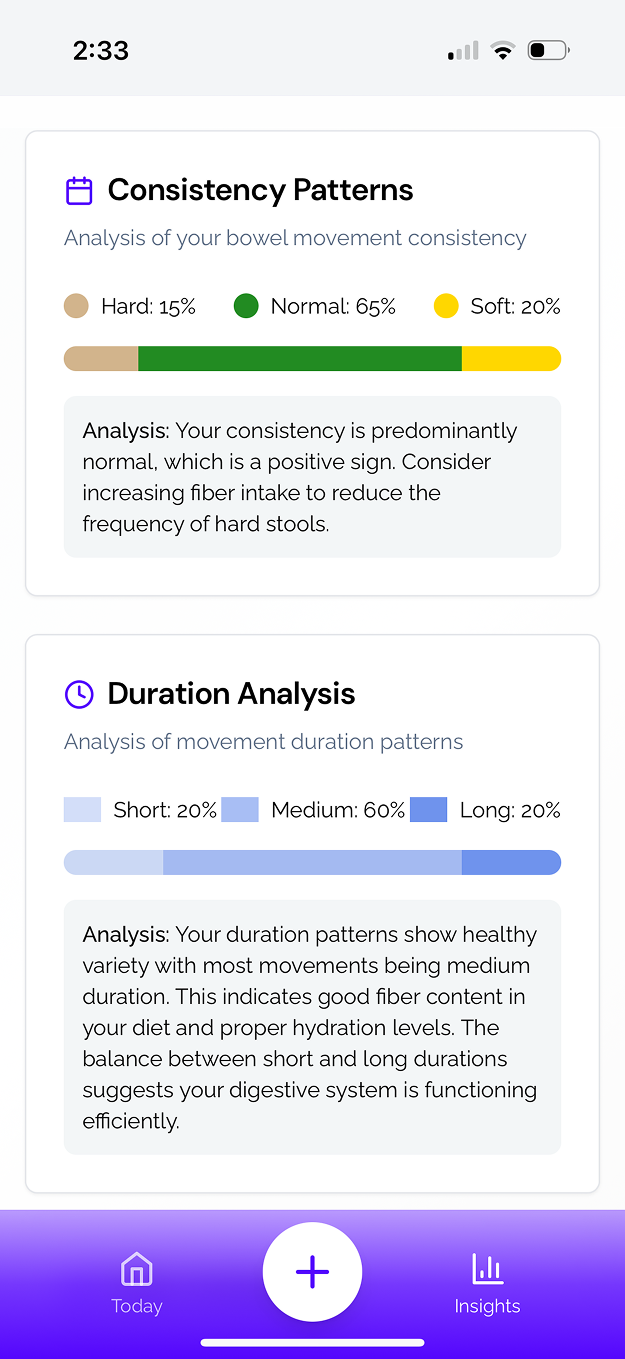
This is also where objective data helps. Rather than guessing whether an intervention is working, at-home biome tracking can offer personalized insights into how your particular system is responding, which is a considerably better basis for decisions than memory and hope.
Your Next Steps
Instead of treating appetite struggles as personal failings, we can now read them as signals from an ecosystem that needs support. Instead of fighting our biology with restriction, we can work with it.
- Add fiber diversity. Include one plant food daily that you do not normally eat, increasing total fibre by about 5 g weekly.
- Incorporate fermented foods. Start with one serving at breakfast.
- Choose polyphenol rich options. Berries, green tea, or dark leafy greens.
- Slow down at meals. Give the signaling system time to work.
- Track your cravings. Notice patterns over the next two weeks.
Your gut bacteria have been communicating with your brain the whole time. The question is whether you are giving them what they need to send the right messages.
Frequently Asked Questions
Can gut bacteria really affect how hungry I feel?
Yes, and it has been shown causally in humans. Delivering 10 g per day of propionate directly to the colon raised postprandial GLP-1 and PYY and reduced energy intake at the next meal in a controlled trial. Gut bacteria also contribute to roughly 90 percent of the body's serotonin production, which shapes the reward context around eating.
How does the microbiome and appetite control connection cause sugar cravings?
A 2025 Nature Microbiology study mapped a gut, liver and brain chain: Bacteroides vulgatus produces pantothenate, pantothenate promotes GLP-1, GLP-1 triggers hepatic FGF21, and FGF21 suppresses sugar preference in the brain. When B. vulgatus is depleted the chain breaks and sugar preference rises. Most of that work is in mouse models, so treat it as mechanism rather than prescription.
How long does it take to reduce cravings by improving gut bacteria?
Most people notice meaningful change in two to four weeks of consistent dietary adjustment. In the Stanford fermented food trial, microbiota diversity rose progressively across ten weeks rather than immediately. Your starting microbiome, stress levels, sleep quality, and antibiotic history all affect the timeline.
Which foods best support healthy gut bacteria for appetite control?
Prebiotic fiber sources such as garlic, onions, leeks, asparagus, oats, and slightly green bananas feed appetite regulating species directly. Add fermented foods for strain diversity and polyphenol rich foods like berries and green tea. In a 1,632 twin cohort, diversity and fibre intake were each independently associated with lower long term weight gain, so aim for 30 or more plant foods weekly.
Do I need a probiotic supplement to control my appetite?
Usually not as a first step. Probiotic effects are strain specific: Lactobacillus gasseri SBT2055 at 200 g/day of fermented milk over 12 weeks reduced abdominal fat area in 87 adults, but that finding does not transfer to other strains or to appetite specifically. Feeding the bacteria you already have tends to produce broader change.
Why do I crave sugar right after a balanced meal?
This often reflects impaired satiety signaling rather than genuine energy need. Low short chain fatty acid production, weak GLP-1 and PYY response, or a meal eaten too quickly can all leave the fullness message undelivered. Adding fermentable fibre, slowing your eating pace, and pairing fats with plants usually helps.
Do fermented foods or fibre work better for microbiome diversity?
In the one head to head trial, fermented foods won on diversity. Over 17 weeks, 36 adults on a high fermented food diet showed increasing microbiota diversity and decreases in 19 inflammatory proteins, while the high fibre arm did not show the same diversity increase in that timeframe. Fibre still drives SCFA production, so the sensible answer is both.
References
- Yano JM, Yu K, Donaldson GP, et al. Indigenous Bacteria from the Gut Microbiota Regulate Host Serotonin Biosynthesis. Cell. 2015;161(2):264-276. doi:10.1016/j.cell.2015.02.047
- Yu Y, et al. The effects of gut microbiota on appetite regulation and the underlying mechanisms. Gut Microbes. 2024;16(1):2414796. doi:10.1080/19490976.2024.2414796
- Han H, et al. From gut microbiota to host appetite: gut microbiota-derived metabolites as key regulators. Microbiome. 2021;9:162. doi:10.1186/s40168-021-01093-y
- Chambers ES, Viardot A, Psichas A, et al. Effects of targeted delivery of propionate to the human colon on appetite regulation, body weight maintenance and adiposity in overweight adults. Gut. 2015;64(11):1744-1754. doi:10.1136/gutjnl-2014-307913
- De Silva A, Bloom SR. Gut Hormones and Appetite Control: A Focus on PYY and GLP-1 as Therapeutic Targets in Obesity. Gut and Liver. 2012;6(1):10-20. doi:10.5009/gnl.2012.6.1.10
- Zhang X, et al. Free fatty acid receptor 4 modulates dietary sugar preference via the gut microbiota. Nature Microbiology. 2025;10(2):348-361. doi:10.1038/s41564-024-01902-8
- Menni C, Jackson MA, Pallister T, et al. Gut microbiome diversity and high-fibre intake are related to lower long-term weight gain. International Journal of Obesity. 2017;41(7):1099-1105. doi:10.1038/ijo.2017.66
- Wastyk HC, Fragiadakis GK, Perelman D, et al. Gut-microbiota-targeted diets modulate human immune status. Cell. 2021;184(16):4137-4153.e14. doi:10.1016/j.cell.2021.06.019
- Rodrigues VF, et al. Akkermansia muciniphila and Gut Immune System: A Good Friendship That Attenuates Inflammatory Bowel Disease, Obesity, and Diabetes. Frontiers in Immunology. 2022;13:934695. doi:10.3389/fimmu.2022.934695
- Thaiss CA, Zeevi D, Levy M, et al. Transkingdom Control of Microbiota Diurnal Oscillations Promotes Metabolic Homeostasis. Cell. 2014;159(3):514-529. doi:10.1016/j.cell.2014.09.048
- Suez J, Korem T, Zeevi D, et al. Artificial sweeteners induce glucose intolerance by altering the gut microbiota. Nature. 2014;514(7521):181-186. doi:10.1038/nature13793
- Madison A, Kiecolt-Glaser JK. Stress, depression, diet, and the gut microbiota: human-bacteria interactions at the core of psychoneuroimmunology and nutrition. Current Opinion in Behavioral Sciences. 2019;28:105-110. doi:10.1016/j.cobeha.2019.01.011
- Kadooka Y, et al. Regulation of abdominal adiposity by probiotics (Lactobacillus gasseri SBT2055) in adults with obese tendencies in a randomized controlled trial. European Journal of Clinical Nutrition. 2010;64(6):636-643. doi:10.1038/ejcn.2010.19
SNIFR is designed to provide insights about gut health patterns, not to diagnose or treat medical conditions. Individual results may vary as gut health is influenced by numerous factors including diet, stress, sleep, and genetics. SNIFR is currently in development, and features described may evolve before commercial release.
Other Posts



Be first to try SNIFR. Beta coming soon.
Join our waitlist to get notified when the app launches. Start understanding your gut health sooner.