
The Microbiome and Detoxification: Supporting Elimination
The real hepatic biotransformation science, enterohepatic recirculation and beta-glucuronidase, what fibre and botanicals do, and which cleanse practices to avoid
The wellness industry has built an empire on a word your body does not actually use. Liquid cleanses, colonic irrigation, activated charcoal in everything, salt flushes designed to evacuate the intestinal tract. Many of these practices cause real harm by disrupting the microbial ecosystem, triggering mineral imbalance, or simply depriving people of the nutrients their elimination pathways depend on.
Here is what most health marketing will not tell you. Your liver and kidneys are already handling elimination, continuously, without any special protocol. The useful question is not whether you need a detox. It is whether you are supporting the systems you already have.
This article uses the language of elimination pathways rather than detox, because that is what the physiology actually describes. Detox and cleanse are marketing categories, not clinical ones. What follows is the actual biochemistry, in some detail, along with the trials behind the botanicals that get recommended in this space.
What Your Body Actually Does
Your liver filters blood continuously, transforming compounds and preparing them for elimination. Your kidneys handle water-soluble waste. Your lungs exhale volatile compounds. Your skin perspires. Your colon moves waste along. This is baseline physiology, not a luxury service.
The word toxin gets used loosely. Technically it means any substance that causes biological harm at a given concentration. Your body encounters candidates daily: alcohol, pesticide residues, pharmaceutical metabolites, endogenous compounds and ordinary metabolic byproducts. Most are present at quantities your systems handle routinely.
What concerns me about cleanse marketing is the false binary it constructs: a toxin-laden body requiring emergency rescue, then a purified body afterward. Elimination is not an event. It is a continuous process. The goal of supportive care is to help the systems already doing the work, not to perform the work for them.
How Liver Biotransformation Actually Works
The detail matters here, because it is what distinguishes supportive care from the protocols that cause harm.
Phase One: Functionalization
Phase one is where the liver's primary chemistry happens. The main actors are the cytochrome P450 superfamily, which in humans comprises more than fifty enzymes, of which a small subset does most drug and xenobiotic metabolism. These enzymes transform lipid-soluble compounds into more reactive, more water-soluble intermediates through oxidation, reduction, hydrolysis, hydration and dehalogenation reactions. The purpose is to attach or expose a functional group that phase two can then act on.
Critically, this phase generates byproducts including reactive intermediates and free radicals. If those are not rapidly handled in phase two, they can damage cellular components. This is precisely why aggressive protocols that push mobilization without supporting conjugation are counterproductive. Phase one running ahead of phase two is a worse position than either running slowly.
Phase one depends on B vitamins, particularly riboflavin, niacin, pyridoxine and cobalamin, along with vitamin C, antioxidants and minerals including magnesium. Nutrient shortfall makes it inefficient.
Phase Two: Conjugation
Once phase one has produced a reactive intermediate, phase two binds it to a water-soluble molecule so it can be excreted. Six major conjugation pathways do this work, each with its own cofactor requirement:
| Phase two pathway | What it attaches | Typical substrates | Key nutrient cofactors |
|---|---|---|---|
| Glucuronidation | Glucuronic acid, via UDP-glucuronosyltransferases | Steroid hormones including oestrogens, bilirubin, many drugs | Glucose-derived UDP-glucuronic acid; magnesium |
| Sulfation | Sulfate group, via sulfotransferases | Hormones, neurotransmitters, phenolic compounds, food additives | Sulfur amino acids (cysteine, methionine); molybdenum |
| Glutathione conjugation | Glutathione, via glutathione S-transferases | Reactive electrophiles, oxidative intermediates from phase one | Cysteine, glycine, glutamate; selenium; riboflavin |
| Methylation | Methyl group, via methyltransferases | Catecholamines, histamine, some heavy metals | Folate, B12, B6, methionine, betaine |
| Acetylation | Acetyl group, via N-acetyltransferases | Certain drugs, aromatic amines | Pantothenic acid, B1, B2, B5 |
| Amino acid conjugation | Glycine, taurine or glutamine | Benzoates, bile acids, some drug metabolites | Adequate dietary protein supplying those amino acids |
This table is the single most important argument against extreme fasting protocols. Every one of those pathways depends on nutrients, and three of them depend directly on amino acids from dietary protein. Glutathione is a tripeptide of cysteine, glycine and glutamate; you cannot synthesize it out of fruit juice. A regimen that eliminates protein undermines the very process it claims to enhance.
Diet also modulates these pathways in the other direction. Glucosinolates from cruciferous vegetables are hydrolysed to isothiocyanates including sulforaphane, which acts through the Keap1/Nrf2 axis to upregulate phase two enzymes including glutathione S-transferases. A 2025 analysis identified 84 sulforaphane or broccoli-extract trials registered on ClinicalTrials.gov, 39 of them published, spanning redox and inflammatory outcomes, metabolic and cardiovascular endpoints and cancer biomarkers (Saito et al., Journal of Nutritional Science, 2025). Eating broccoli, cabbage, rocket and watercress is a genuinely mechanistic intervention on phase two, not a folk belief.
Phase Three: Transport and Elimination
Conjugated compounds still need to leave the hepatocyte. Membrane transport proteins, principally the ATP-binding cassette family, move them across the canalicular membrane into bile, or back across the sinusoidal membrane into blood for renal clearance. Without effective transport, conjugated compounds accumulate inside the cell. This is the least discussed phase and the one that connects liver chemistry directly to your gut.
Where the Microbiome Comes In
This is the genuinely interesting part, and the part most cleanse marketing ignores entirely.
Beta-Glucuronidase and the Enterohepatic Loop
Take oestrogen as the best-characterized example. The liver conjugates it with glucuronic acid, making it water-soluble, and phase three transport sends it into the intestines through bile. At that point it should be eliminated in stool.
What often happens instead is that gut bacteria producing beta-glucuronidase cleave off the glucuronic acid the liver just attached, returning the compound to a deconjugated form that can be reabsorbed across the intestinal epithelium and returned to the liver. This recycling is called enterohepatic circulation. It is useful for substances the body wants to conserve, such as bile acids. For substances you are eliminating, it means a longer loop and a longer exposure.
The collection of gut bacterial genes capable of metabolizing oestrogens is termed the estrobolome, and a 2021 review in Frontiers in Cell and Developmental Biology examines gut microbial beta-glucuronidase specifically in the context of oestrogen reactivation, describing how shifts in microbial beta-glucuronidase activity alter circulating oestrogen levels and how that relationship has been investigated in relation to breast cancer risk (Sui, Wu and Chen, 2021). This is an active research area rather than a settled clinical target, and no consumer test currently quantifies your personal beta-glucuronidase activity in a way that guides treatment.
The principle extends beyond oestrogen. Bacterial sulfatases similarly reverse sulfation. Whether a conjugated compound leaves or recirculates depends substantially on your microbial community, on beta-glucuronidase and sulfatase activity within it, and on how quickly material moves through your bowel. A 2025 review in Frontiers in Medicine on gut microbiota in liver disease describes this gut-liver axis in detail, including how bile acid signalling and microbial metabolites feed back onto hepatic function (Yu et al., 2025).
This is why microbial balance is not only a digestion question. It is an elimination question. For the wider naturopathic framework, see our guide to IBS-focused digestive wellness through naturopathic gut microbiome support.
Fiber: The Most Underrated Support
If there is one intervention with strong mechanistic logic behind it, it is adequate fiber.
Soluble fiber does two things at once. It feeds beneficial bacteria, which ferment it into short-chain fatty acids including butyrate that fuel intestinal cells, support barrier integrity and create an environment less hospitable to pathogens. And it physically binds bile acids and conjugated compounds, carrying them out before bacterial enzymes can reverse the liver work. Shorter transit time means a shorter window for deconjugation and reabsorption.
Psyllium husk is the most studied option, and there is direct human microbiome data. Two randomized, placebo-controlled, double-blind trials compared seven days of psyllium against maltodextrin placebo, in 8 healthy volunteers and 16 constipated patients respectively. In healthy adults the effect on composition was small but significant, increasing Veillonella and decreasing Subdoligranulum. In constipated patients the compositional effects were greater, alongside changes in faecal water content, transit and short-chain fatty acids (Jalanka et al., International Journal of Molecular Sciences, 2019). A 2024 review of psyllium husk covers its mucilage chemistry, gel formation, bile acid binding capacity and the practical limits of its use (Geremew Kassa et al., CyTA - Journal of Food, 2024).
Ground flaxseed provides both soluble and insoluble fiber plus lignans, which gut bacteria convert to enterolignans. Inulin, found in chicory, dandelion, burdock, onions and garlic, selectively feeds bifidobacteria. A 2025 network meta-analysis of functional foods in constipation-predominant IBS ranked fiber and prebiotic interventions among the more effective non-pharmacological options while noting substantial heterogeneity between trials (Mou et al., Nutrition Reviews, 2025).
Two practical notes. Increase fiber gradually, because rapid increases reliably produce gas and bloating that lead people to quit. And fiber can interfere with medication absorption, so separate the timing and confirm the interval with your pharmacist. Anyone with a bowel stricture or obstruction risk should not take bulking fiber without medical advice.
Whole food sources are the sensible starting point: vegetables, legumes, whole grains, nuts, seeds, onions, garlic, asparagus and oats. Supplemental fiber amounts should be set with a clinician, particularly if you have any bowel condition.
Botanicals With Research Behind Them
Several plants have genuine research supporting liver function. Naming them is useful, and so is naming what the trials actually gave people.
Milk thistle (Silybum marianum). The most studied liver-supportive botanical. Its silymarin complex acts as a free radical scavenger and appears to stabilize liver cell membranes. A 2025 meta-analysis of randomized trials targeting liver injury pooled 55 studies and examined effects of silymarin administration on serum AST, ALT and ALP, concluding that dosing practice deserves reconsideration given the heterogeneity of regimens used (Shahsavari et al., BMC Complementary Medicine and Therapies, 2025). Clinical trials have commonly used silymarin in the range of roughly 140 mg three times daily, though regimens across that literature vary widely, which is precisely the meta-analysis's point. Silymarin is generally well tolerated, with some potential to affect cytochrome P450 metabolism.
Artichoke leaf (Cynara scolymus). In a randomized, double-blind, placebo-controlled parallel-group trial, 100 subjects with ultrasound-diagnosed non-alcoholic fatty liver disease received either 600 mg of artichoke leaf extract daily or placebo for two months. Ninety completed, 49 on active treatment and 41 on placebo, and the artichoke group showed improvements in liver ultrasound findings and serological markers including the AST/ALT ratio and APRI score, with no side effects reported (Panahi et al., Phytotherapy Research, 2018). People with gallstone disease should discuss it with a clinician first, since artichoke increases bile flow, and those allergic to plants in the daisy family should avoid it.
Turmeric (Curcuma longa). Curcumin supports glutathione conjugation pathways through Nrf2-mediated upregulation of glutathione S-transferase and has strong antioxidant activity. In a randomized, double-blind, placebo-controlled trial, patients with ultrasound-evidenced NAFLD received an amorphous dispersion curcumin formulation delivering 500 mg per day, equivalent to 70 mg of curcumin, or matched placebo for 8 weeks. Compared with placebo, curcumin was associated with a significant reduction in liver fat content, reported as a 78.9 percent improvement in the curcumin group versus a 27.5 percent improvement in the placebo group, alongside reductions in BMI, total and LDL cholesterol, triglycerides, AST, ALT, glucose and glycated haemoglobin (Rahmani et al., Phytotherapy Research, 2016). Note that liver fat was assessed by ultrasound rather than by MRI proton density fat fraction, which limits precision, and that a proof-of-concept trial is not a treatment recommendation. Concentrated curcumin extracts can interact with anticoagulant and antiplatelet medication and may increase gastric discomfort.
Dandelion root (Taraxacum officinale). A mild choleretic that gently supports bile flow, and a prebiotic through its inulin content. The evidence base is largely preclinical, with limited human trials, so it is best described as a gentle supportive agent rather than a treatment. Avoided in bile duct obstruction.
Burdock root (Arctium lappa). Eaten as a food across East Asia. Antioxidant and anti-inflammatory activity in preclinical models, with limited human data. Also a source of inulin.
| Botanical | Trial design and size | Amount studied | Reported outcome | Key caution |
|---|---|---|---|---|
| Silymarin (milk thistle) | Meta-analysis of 55 randomized trials in liver injury (Shahsavari 2025) | Regimens varied widely; commonly around 140 mg three times daily | Effects on AST, ALT and ALP; authors call for dosing standardization | May affect cytochrome P450 metabolism; discuss with prescriber |
| Artichoke leaf extract | Randomized, double-blind, placebo-controlled, 100 randomized and 90 completed, NAFLD (Panahi 2018) | 600 mg daily | Improved ultrasound findings, AST/ALT ratio and APRI score; no side effects reported | Increases bile flow: caution in gallstone disease; avoid with Asteraceae allergy |
| Curcumin (amorphous dispersion) | Randomized, double-blind, placebo-controlled, NAFLD (Rahmani 2016) | 500 mg daily, equivalent to 70 mg curcumin, for 8 weeks | 78.9 percent improvement in liver fat content versus 27.5 percent on placebo, by ultrasound | Interacts with anticoagulants and antiplatelets; gastric discomfort; gallstone disease |
| Psyllium husk | Two randomized placebo-controlled double-blind trials, 8 healthy and 16 constipated participants (Jalanka 2019) | 7 days versus maltodextrin placebo | Increased Veillonella, decreased Subdoligranulum in healthy adults; larger compositional change in constipated patients | Take with adequate water; separate from medication; avoid with obstruction risk |
| Dandelion root, burdock root | Largely preclinical; limited human trials | Not established in controlled trials | Choleretic and prebiotic effects described mechanistically | Dandelion avoided in bile duct obstruction; both are Asteraceae relatives |
The rule that applies to all of them: if you take any medication metabolized by the liver, which is a large proportion of medications, botanical support belongs in a conversation with your physician, pharmacist or licensed naturopathic doctor before you start. The amounts above describe what supervised trial participants received.
Practices to Avoid
Being evidence-based means being clear about what does not work and what causes harm.
Extreme Juice Fasting
Look back at the phase two table. Glutathione conjugation needs cysteine, glycine and glutamate. Amino acid conjugation needs glycine, taurine and glutamine. Methylation needs folate, B12, B6 and methionine. Juice supplies almost no protein and few B vitamins. It also removes the fiber and resistant starch that feed beneficial bacteria, and delivers concentrated sugar without fiber to moderate absorption. The headaches, fatigue and cognitive fog people report on day three are readily explained by blood sugar swings and nutrient shortfall, not by toxins departing.
Colonic Irrigation
Marketed as removing impacted waste. Evidence does not support that framing, and the risks are real: disruption of the colonic microbiota, damage to the intestinal lining, electrolyte disturbance and, rarely, perforation. Normal peristalsis handles waste movement effectively.
Unsupervised Chelation
Chelation therapy has legitimate medical use in documented heavy metal toxicity, performed under medical supervision with appropriate testing. Unregulated chelation marketed as general detox can deplete essential minerals, damage the kidneys and cause severe electrolyte disturbance, with deaths reported. If you have concerns about heavy metal exposure, see a physician.
Routine Activated Charcoal
Activated charcoal binds compounds in the digestive tract, which is why it has emergency uses in poisoning. It does not distinguish between what you want removed and what you need, binding nutrients, minerals and medications indiscriminately. Routine use is not supported and is inappropriate for anyone taking medication.
Salt Water Flushes
These induce purging and can cause severe electrolyte disturbance, dehydration and dangerously elevated sodium. There is no evidence they accomplish anything beneficial.
What Reasonable Support Looks Like
The unglamorous version, which is the one with evidence behind it:
- Adequate protein at each meal, because glutathione, amino acid conjugation and sulfation all depend on amino acids.
- Adequate fiber from whole foods, increased gradually, to support both microbial fermentation and physical binding of conjugated compounds before beta-glucuronidase can reverse them.
- Cruciferous vegetables several times weekly, since their glucosinolate-derived isothiocyanates upregulate phase two enzymes through the Keap1/Nrf2 pathway.
- Plenty of plant variety, supplying the B vitamins, minerals, sulfur compounds and antioxidants these pathways require.
- Consistent hydration, since kidney elimination depends on it.
- Regular bowel movements, because slow transit extends the window for deconjugation and reabsorption.
- Consistent sleep, which supports the circadian rhythms both liver and microbiota operate on.
- Limited alcohol, which is the most common avoidable load on the liver.
- Regular movement, supporting circulation, motility and metabolic function.
Traditional practice associates spring with lighter eating and bitter greens, and there is nothing wrong with that as a seasonal rhythm. It works because it means more vegetables and less heavy food, not because winter fills anyone with toxins.
What Supportive Care Looks Like in Practice
The following is a constructed illustration, not a client. No outcome here is attributed to any product.
Hypothetical scenario. Imagine someone who has just finished a five-day juice cleanse and feels considerably worse than when they started: headaches from day three, poor concentration, and digestion that has become less regular rather than more.
The mechanism is legible from the phase two table above. Five days without meaningful protein starves glutathione synthesis of cysteine, glycine and glutamate, and starves amino acid conjugation of glycine and taurine, while phase one continues generating reactive intermediates that now have less capacity waiting for them. Simultaneously, removing fiber and resistant starch withdraws the substrate that beneficial bacteria depend on, and concentrated fruit sugar without fiber produces the blood glucose swings that plausibly explain the headaches.
Sensible support is the opposite of what they did: protein at every meal, fiber reintroduced gradually from whole foods rather than a supplement, cruciferous vegetables several times a week for the Nrf2 route to phase two, water, and regular sleep. If a botanical were considered at all, it would follow a medication review, since silymarin can affect cytochrome P450 metabolism and concentrated curcumin interacts with anticoagulants. And critically, none of this is judged by how someone feels on day three. Feeling worse is information that a protocol is wrong, not evidence that it is working.
What Monitoring Can and Cannot Tell You
This deserves stating plainly, because it is where claims in this category most often go wrong.
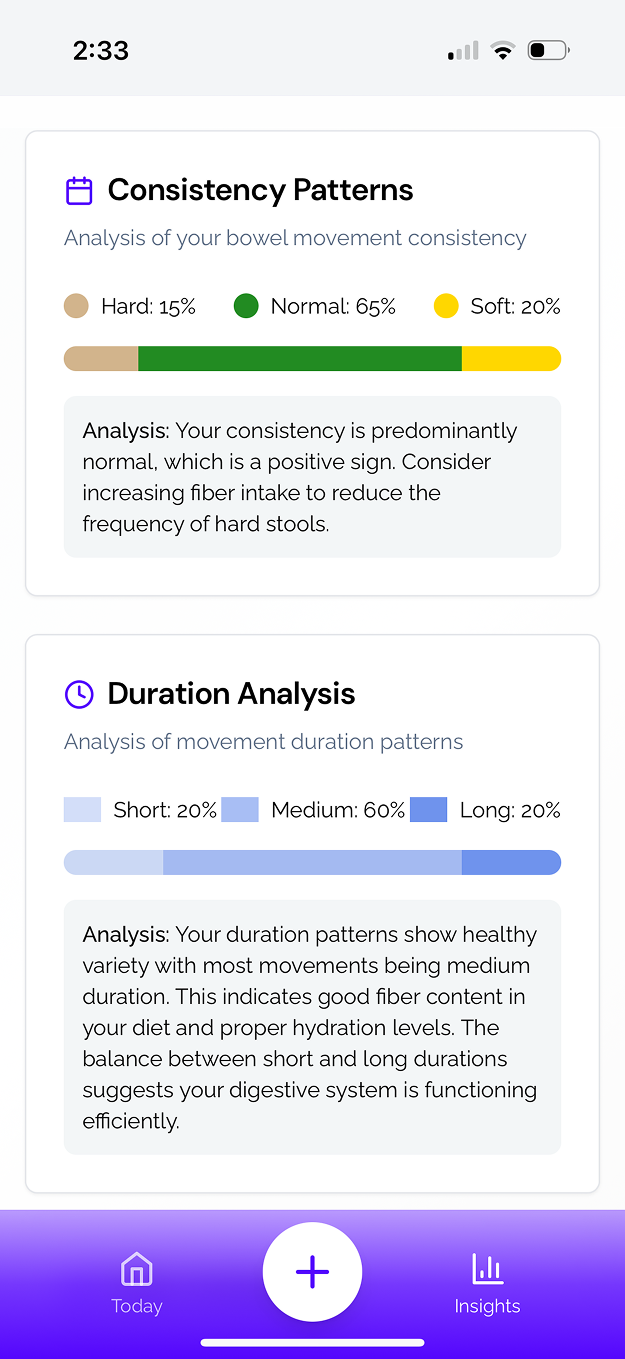
Passive at-home monitoring of volatile organic compounds in stool reflects the metabolic activity of your gut microbial community. It can show how your own patterns move over weeks as diet, fiber intake and lifestyle change. That is useful information for you and your clinician.
It does not measure toxins. It does not measure toxin clearance. It does not measure beta-glucuronidase activity, phase one or phase two capacity, or glutathione status. It does not assess liver or kidney function, and neither does any other consumer device. Liver and kidney function are evaluated through clinical laboratory testing ordered by a physician: transaminases, bilirubin, albumin, INR, creatinine and estimated glomerular filtration rate. Any product suggesting otherwise is misrepresenting what it does.
When to Talk to a Clinician First
Speak with a healthcare provider before starting any supportive protocol if you have liver disease of any kind, kidney disease, take medications metabolized by the liver, are pregnant or breastfeeding, have a history of eating disorders or disordered eating, are underweight or have had recent unintended weight loss, have a bleeding disorder or take anticoagulants, have surgery scheduled, have acute illness or fever, or have previously reacted badly to a herbal preparation.
Stop and seek care promptly if you develop severe headache, persistent vomiting or diarrhea, dizziness or fainting, chest pain, shortness of breath, rash, confusion or severe abdominal pain.
Support should improve how you feel. Feeling worse is information, not a sign that something is working.
The Long View
The most effective approach here is not dramatic. It is a consistent supply of protein, fiber, plant variety, water, sleep and movement, with botanical support chosen by a clinician if it is warranted at all.
The healing power of nature is not a mystical force. It is the ordinary sophistication of your liver chemistry, the ecology of your microbiota, the rhythm of your intestines and the filtering capacity of your kidneys. Those systems already know how to do this. Your job is to stop getting in their way and to give them what they need.
References
- Yu JX, Wu J, Chen X, Zang SG, Li XB. Gut microbiota in liver diseases: initiation, development and therapy. Frontiers in Medicine. 2025;12:1615839. doi:10.3389/fmed.2025.1615839
- Sui Y, Wu J, Chen J. The Role of Gut Microbial Beta-Glucuronidase in Estrogen Reactivation and Breast Cancer. Frontiers in Cell and Developmental Biology. 2021;9:631552. doi:10.3389/fcell.2021.631552
- Saito A, Ishikawa S, Yang K, Sawa A, Ishizuka K. Sulforaphane as a potential therapeutic agent: a comprehensive analysis of clinical trials and mechanistic insights. Journal of Nutritional Science. 2025;14:e65. doi:10.1017/jns.2025.10033
- Jalanka J, Major G, Murray K, et al. The Effect of Psyllium Husk on Intestinal Microbiota in Constipated Patients and Healthy Controls. International Journal of Molecular Sciences. 2019;20(2):433. doi:10.3390/ijms20020433
- Geremew Kassa M, Alemu Teferi D, Asemu AM, Belachew MT, Satheesh N. Review on psyllium husk: nutritional, functional, health benefits, food industry applications, waste treatment, and potential negative effects. CyTA - Journal of Food. 2024;22(1):2409174. doi:10.1080/19476337.2024.2409174
- Shahsavari K, Ardekani SS, Ardekani MRS, et al. Are alterations needed in Silybum marianum (Silymarin) administration practices? A novel outlook and meta-analysis on randomized trials targeting liver injury. BMC Complementary Medicine and Therapies. 2025;25(1):134. doi:10.1186/s12906-025-04886-y
- Panahi Y, Kianpour P, Mohtashami R, et al. Efficacy of artichoke leaf extract in non-alcoholic fatty liver disease: A pilot double-blind randomized controlled trial. Phytotherapy Research. 2018;32(7):1382-1387. doi:10.1002/ptr.6073
- Rahmani S, Asgary S, Askari G, et al. Treatment of Non-alcoholic Fatty Liver Disease with Curcumin: A Randomized Placebo-controlled Trial. Phytotherapy Research. 2016;30(9):1540-1548. doi:10.1002/ptr.5659
- Mou J, Xu L, Luo Y, et al. Assessing the Efficacy of Functional Food as Treatment for Irritable Bowel Syndrome with Constipation: A Systematic Review and Network Meta-Analysis. Nutrition Reviews. 2025;84(8):1590-1599. doi:10.1093/nutrit/nuaf204
Frequently Asked Questions
Do I need a detox or cleanse for gut health?
No. Detox and cleanse are marketing terms rather than clinical concepts. Your liver, kidneys, lungs, skin and bowel already handle elimination continuously through phase one functionalization, six phase two conjugation pathways and phase three transport. What is worth doing is supplying those pathways with adequate protein, B vitamins, sulfur compounds, minerals, fiber and hydration.
Are juice cleanses bad for your gut microbiome?
They are generally counterproductive. Glutathione conjugation requires cysteine, glycine and glutamate, and amino acid conjugation requires glycine, taurine and glutamine, none of which juice supplies in meaningful amounts. Juice also removes the fiber that beneficial bacteria feed on. The headaches and fatigue people report are typically blood sugar swings and nutrient shortfall.
Is colonic irrigation safe?
Colon hydrotherapy is not supported by evidence for health benefit and carries real risks including disruption of the colonic microbiota, electrolyte disturbance, damage to the intestinal lining and, rarely, perforation. Normal bowel function moves waste effectively without it. This is not a practice worth pursuing.
How does the gut microbiome affect detoxification?
Gut bacteria produce beta-glucuronidase, which cleaves off the glucuronic acid the liver attached during phase two conjugation, returning compounds to a reabsorbable form. That recycling loop, enterohepatic circulation, is well described for oestrogens through the estrobolome. Microbial balance, beta-glucuronidase activity and bowel transit speed therefore all influence how efficiently elimination completes.
What actually supports liver function naturally?
Adequate protein and B vitamins for the conjugation pathways, sufficient fiber to carry conjugated compounds out before they are deconjugated, cruciferous vegetables whose sulforaphane upregulates phase two enzymes via Nrf2, consistent sleep, limited alcohol and regular movement. Botanicals including silymarin, artichoke leaf at 600 mg daily and curcumin have trial data, but which one and how much belongs with a clinician.
Can gut tracking measure toxin clearance?
No. At-home VOC monitoring reflects microbial metabolic activity in your gut and shows how your own patterns change over time. It does not measure toxins, toxin clearance, beta-glucuronidase activity, phase one or phase two capacity, or liver and kidney function, and no consumer device currently does. Those are assessed through clinical laboratory testing ordered by a physician.
Does curcumin actually reduce liver fat?
One randomized placebo-controlled trial in patients with ultrasound-diagnosed fatty liver gave 500 mg daily of an amorphous dispersion formulation, equivalent to 70 mg curcumin, for 8 weeks. It reported a 78.9 percent improvement in liver fat content versus 27.5 percent on placebo, alongside reductions in transaminases, lipids and glycated haemoglobin. Liver fat was measured by ultrasound rather than MRI, and this is a proof-of-concept trial, not a treatment recommendation.
SNIFR is designed to provide insights about gut health patterns, not to diagnose or treat medical conditions. Individual results may vary as gut health is influenced by numerous factors including diet, stress, sleep, and genetics. SNIFR is currently in development, and features described may evolve before commercial release.
Other Posts
Be first to try SNIFR. Beta coming soon.
Join our waitlist to get notified when the app launches. Start understanding your gut health sooner.